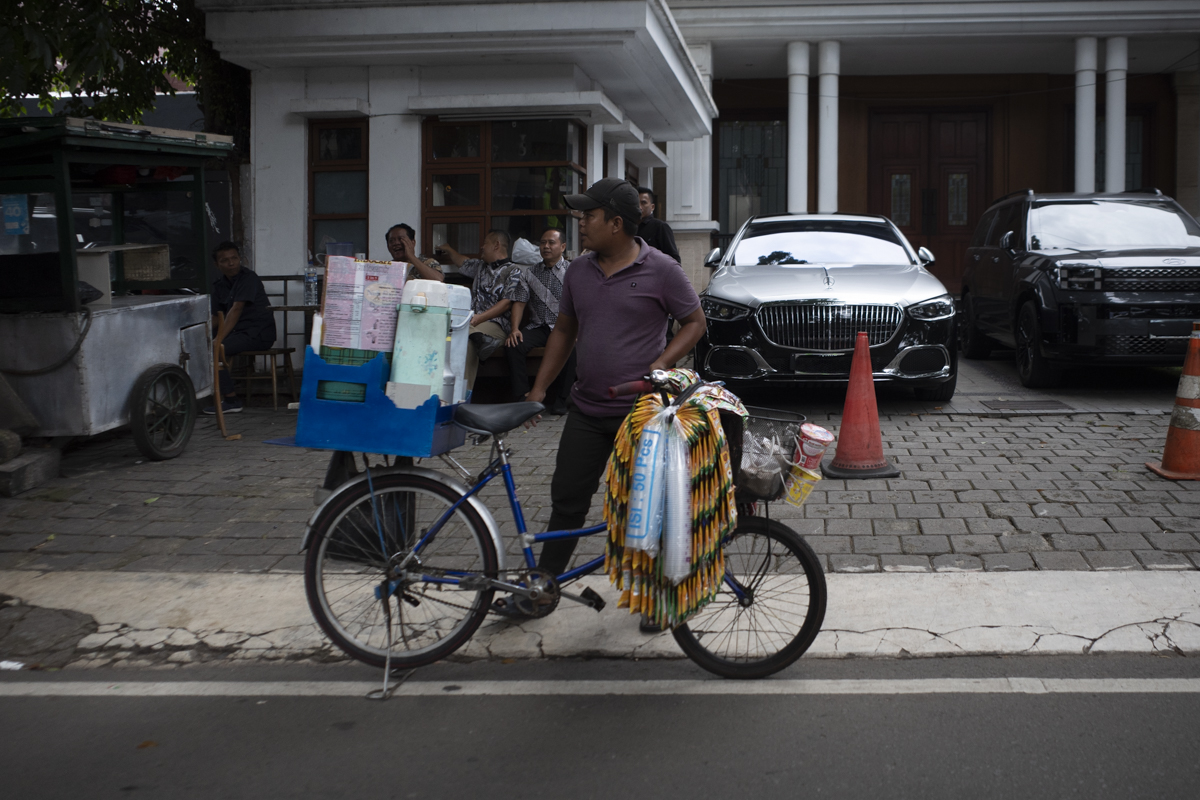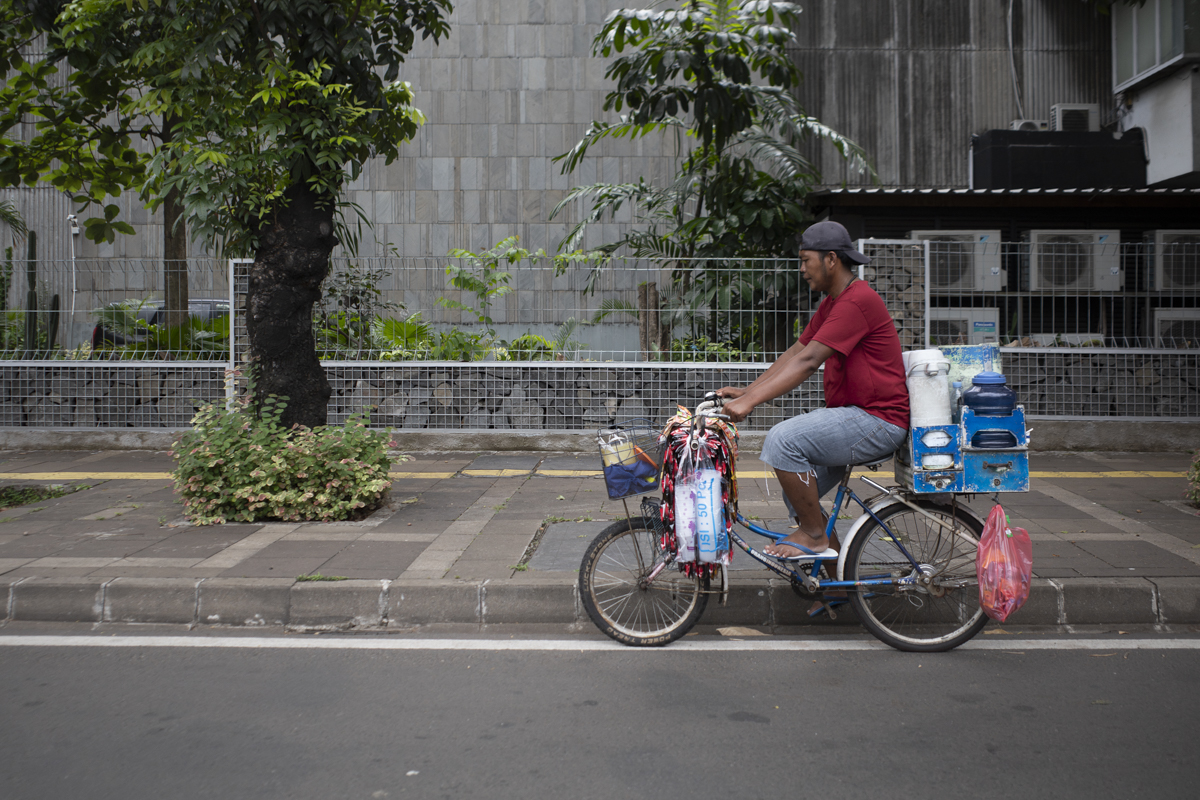
📷 A Starling (mobile coffee) vendor pedals through Jakarta’s streets, balancing drinks and daily livelihood

Coffee Nation: Indonesia’s Relationship with Coffee

A Photo Essay by William Kalengkongan

Coffee Nation: Indonesia’s Relationship with Coffee

This photo essay reveals how coffee flows through Indonesian life — from the roaster’s fire to café conversations — reflecting resilience, creativity, and belonging. It captures the human layer of coffee, while showing how climate change increasingly threatens this sweet-and-bitter relationship through shifting seasons, fragile harvests, and uncertain futures for those who live by it.

Globally, Indonesia stands as the fourth-largest coffee producer in the world, after Brazil, Vietnam, and Colombia. With coffee grown across diverse landscapes from Sumatra and Java to Sulawesi and Flores. the country plays a critical role in the global supply of both Arabica and Robusta. 

Coffee is deeply woven into everyday life in Indonesia, with many people making 2-3 cups daily as part of their routine. Domestic coffee consumption has risen steadily to around 1.8 kilograms per capita per year. According to recent Points of Interest (POI) data compiled from global mapping platforms such as OpenStreetMap, Indonesia is now home to approximately 461,991 cafés and coffee-related locations.

This figure places Indonesia first globally in terms of the total number of coffee shops, surpassing all other countries by sheer volume, reflecting how “ngopi” has become a shared ritual across generations and regions. From traditional warung kopi to modern urban cafés, coffee continues to shape social interactions, conversations, and a strong sense of togetherness in Indonesian society.

In Indonesia, coffee goes beyond a simple beverage.

It is not just a drink.
it is a long-term relationship.

📷 When the cup is empty, the question remains: what happens to coffee when climate change dries the source before the last sip?

At the Roots — Origins

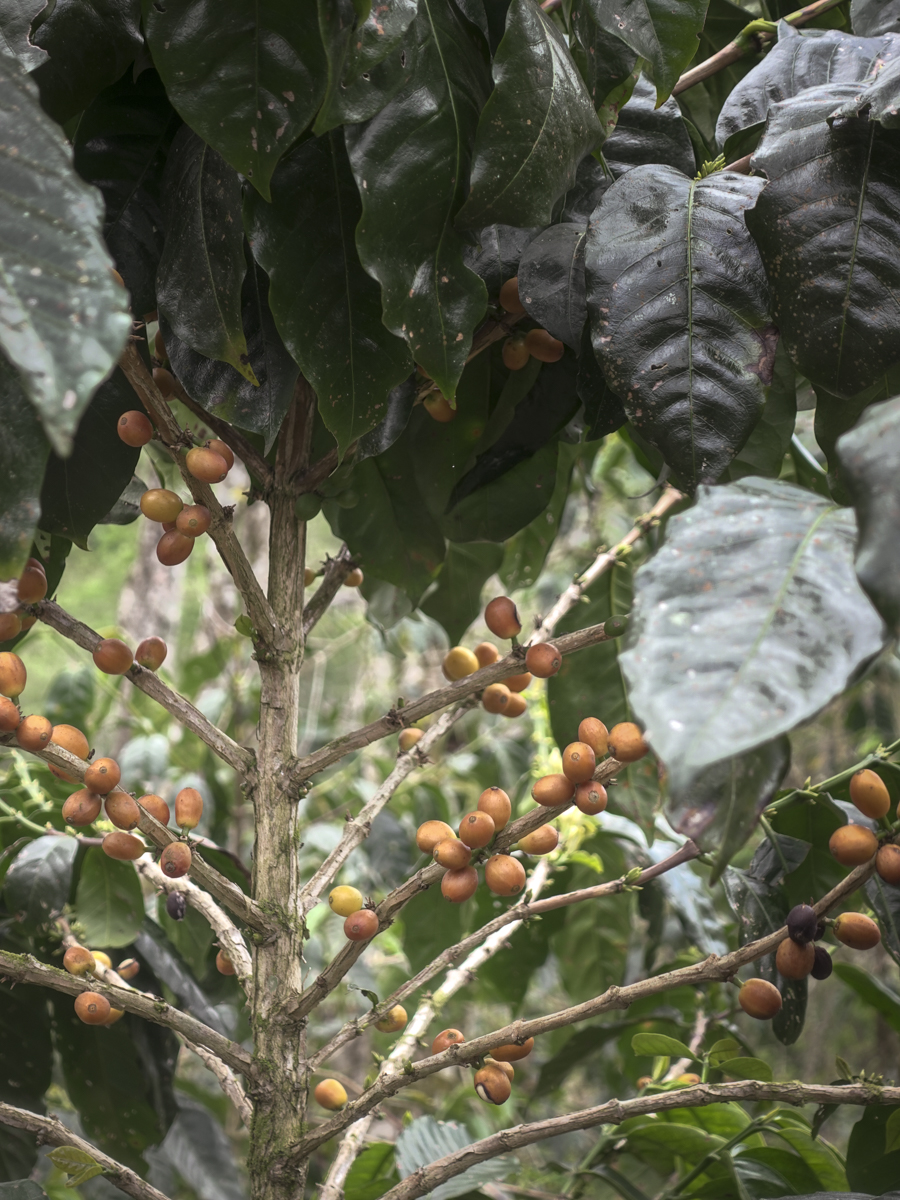
📷 A Robusta coffee tree in Manggarai regency, Flores, eastern Indonesia, bearing ripening cherries beneath dense leaves, an image of abundance that now depends on seasons and a climate farmers can no longer predict as they once did.
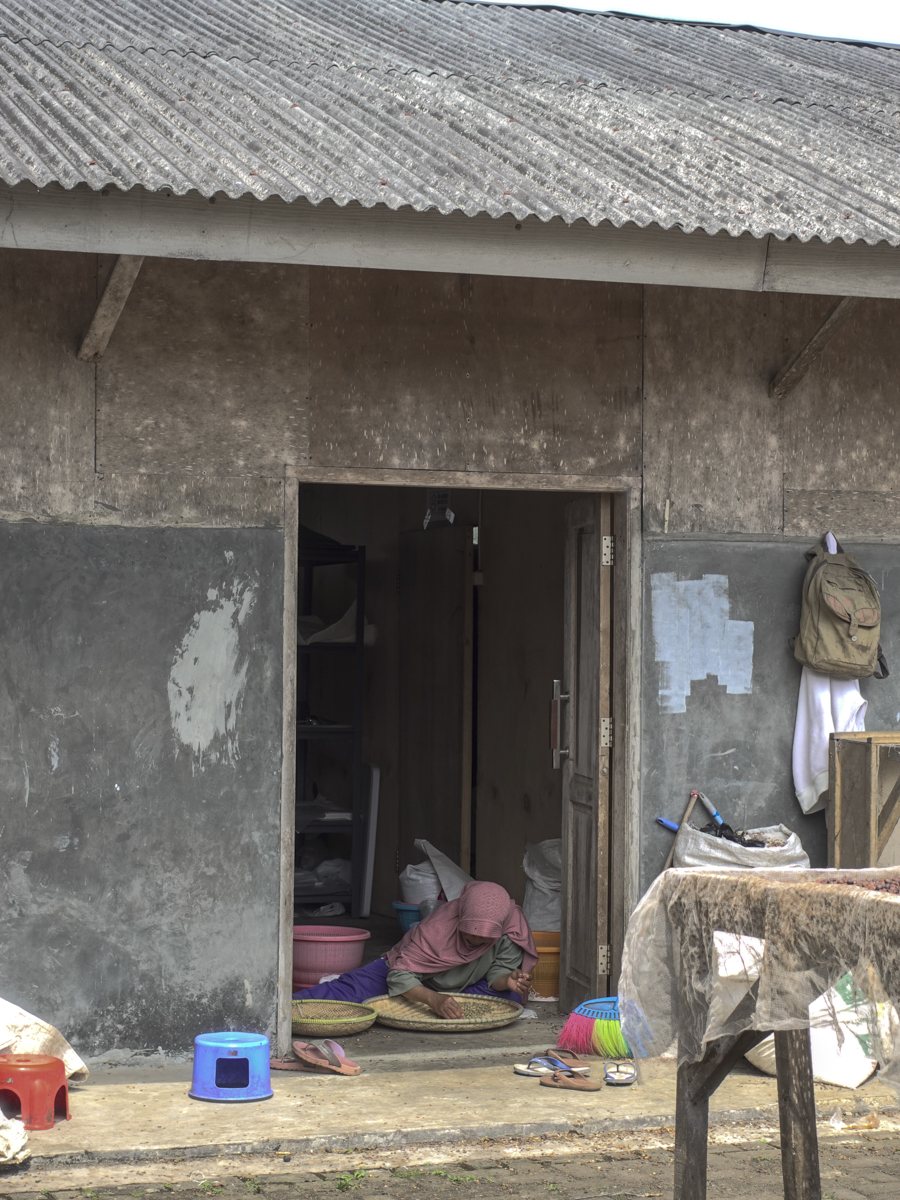
📷 A woman sorts Robusta coffee beans by hand at her home in Flores, eastern Indonesia, a quiet daily ritual where patience and skill sustain livelihoods.
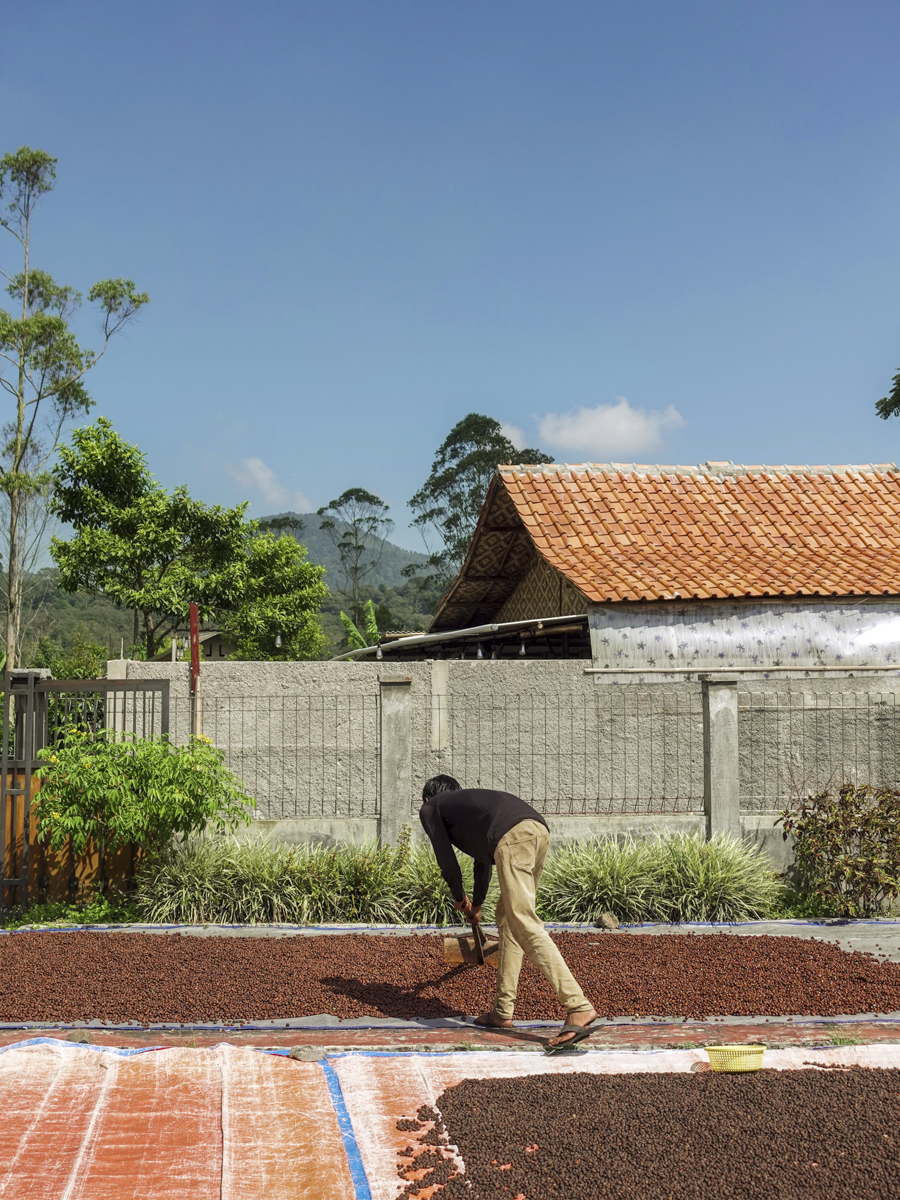
📷 A farmer rakes sun-drying coffee beans in Flores, eastern Indonesia, carefully tending the harvest as shifting weather patterns make timing and tradition harder to rely on.
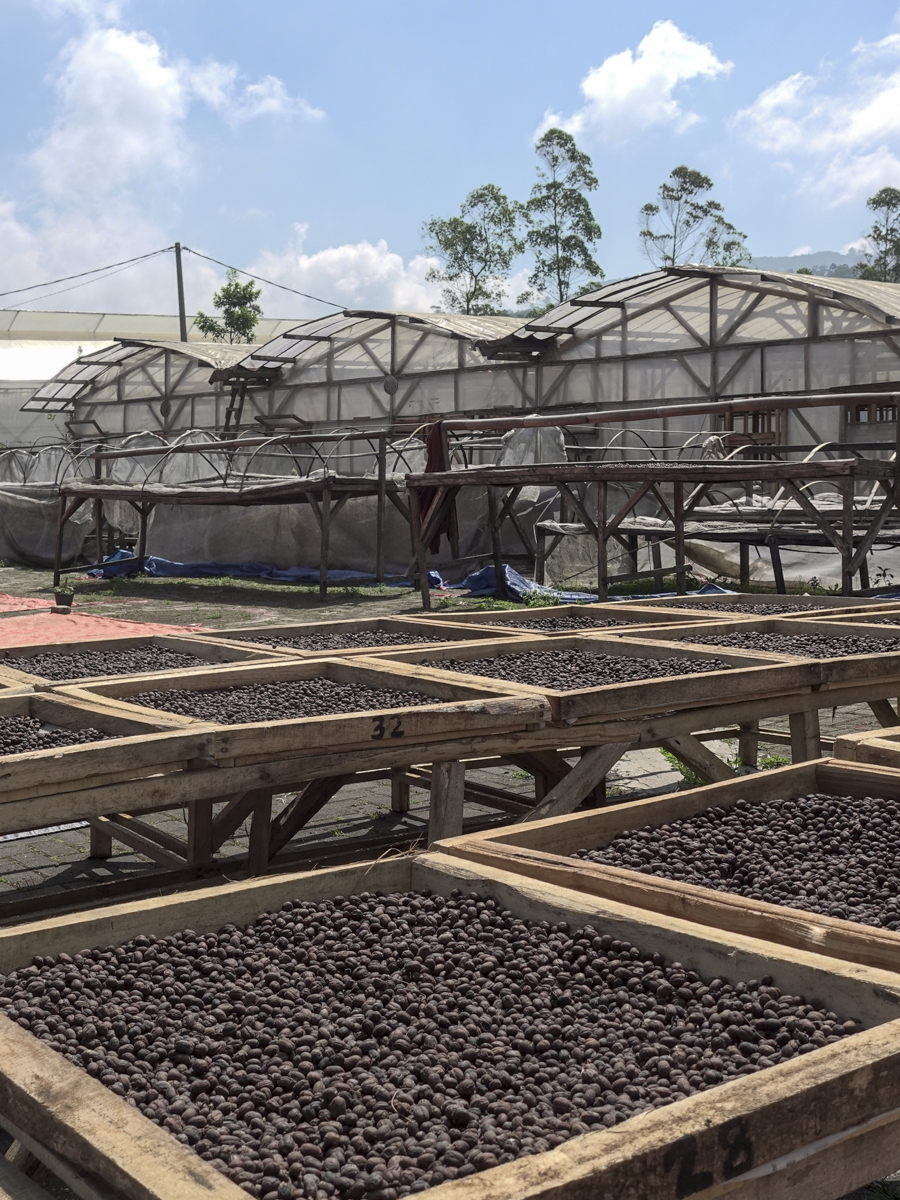
📷 Rows of Arabica coffee beans dry on raised wooden beds in Flores, eastern Indonesia, where careful post-harvest work depends on sunlight that is becoming less predictable.
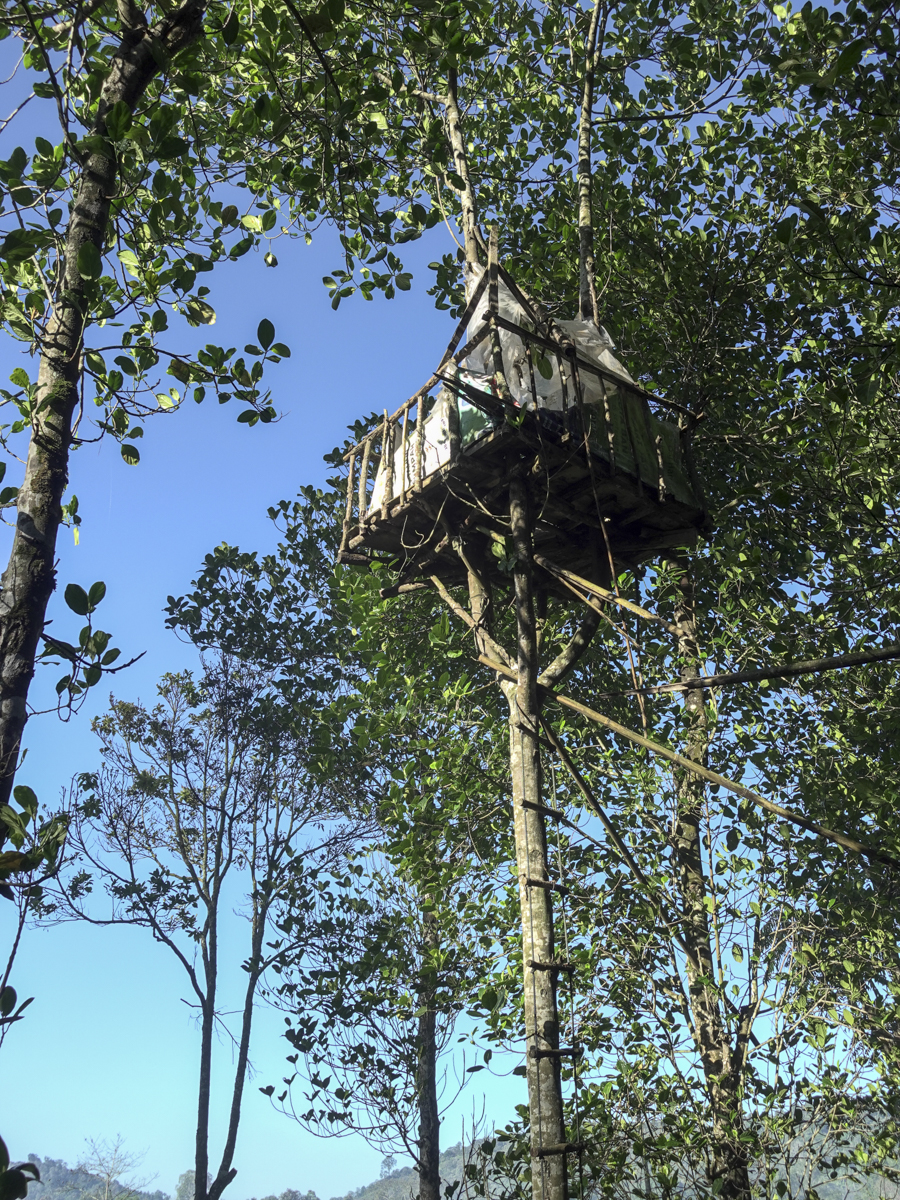
📷 A makeshift security post rises above the coffee plantation in Manggarai, Flores, eastern Indonesia, reflecting farmers’ efforts to protect their crops.
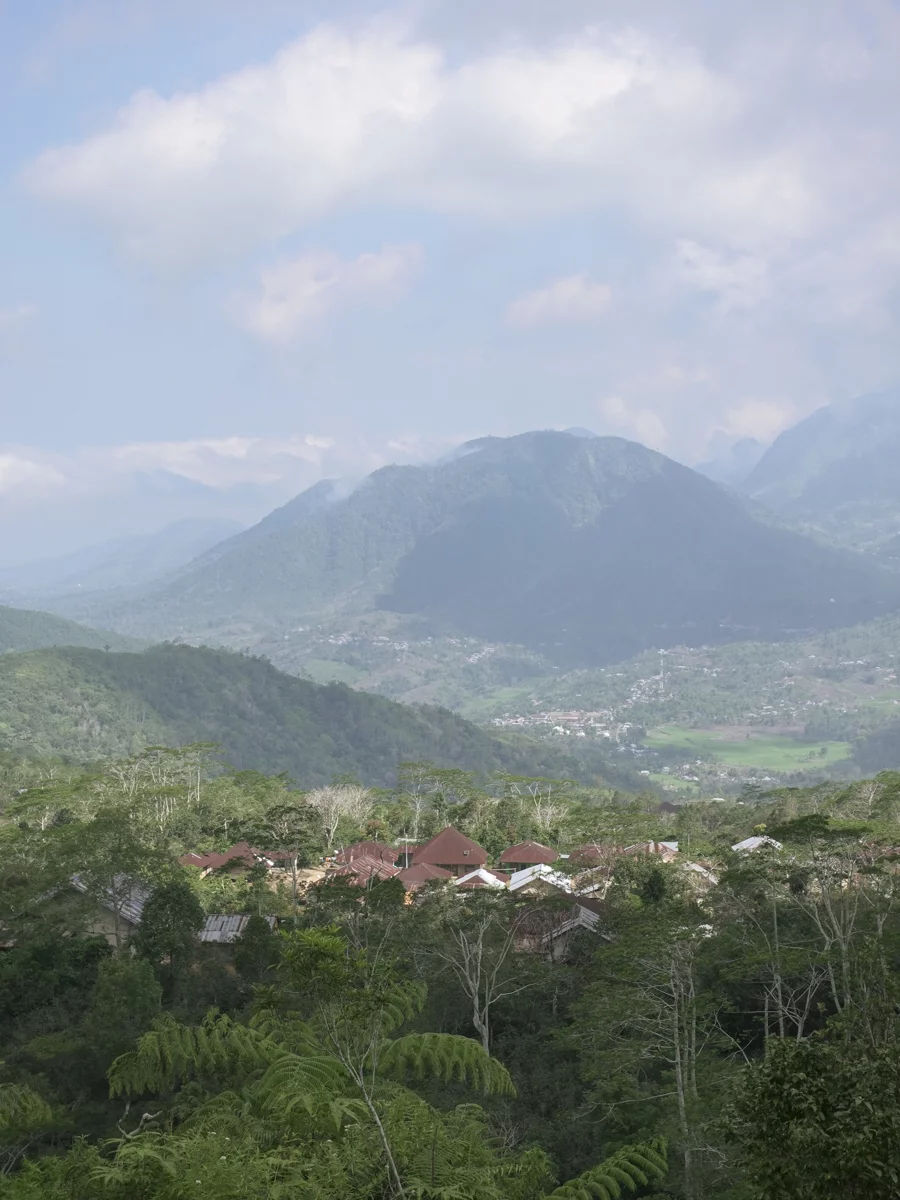
📷 A coffee plantation landscape in Flores, eastern Indonesia, where fertile volcanic slopes have long sustained coffee farming,
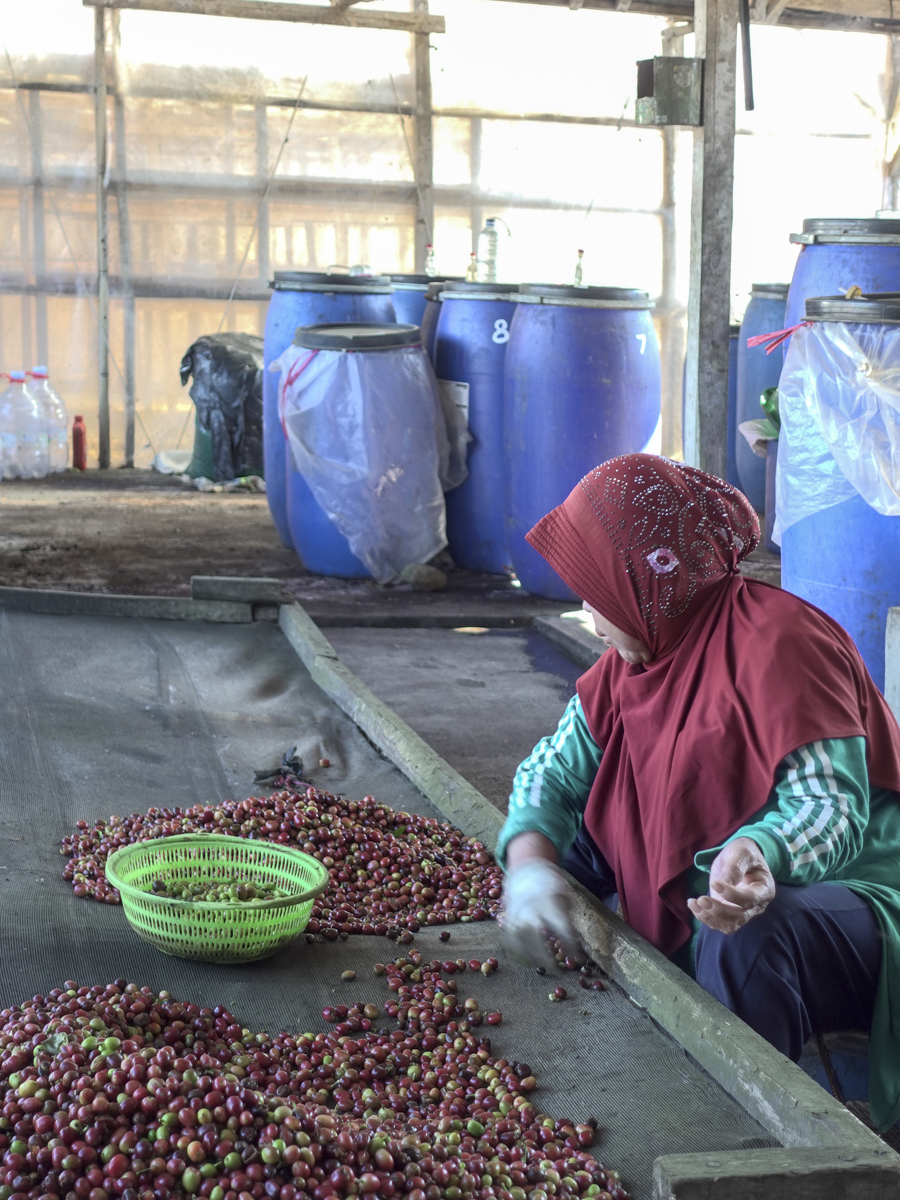
📷 Women play a vital role in coffee production. Here, a woman carefully sorts freshly harvested coffee cherries in Manggarai, Flores, eastern Indonesia, ensuring quality through skilled and often unseen labor.

Craft — The Transformation
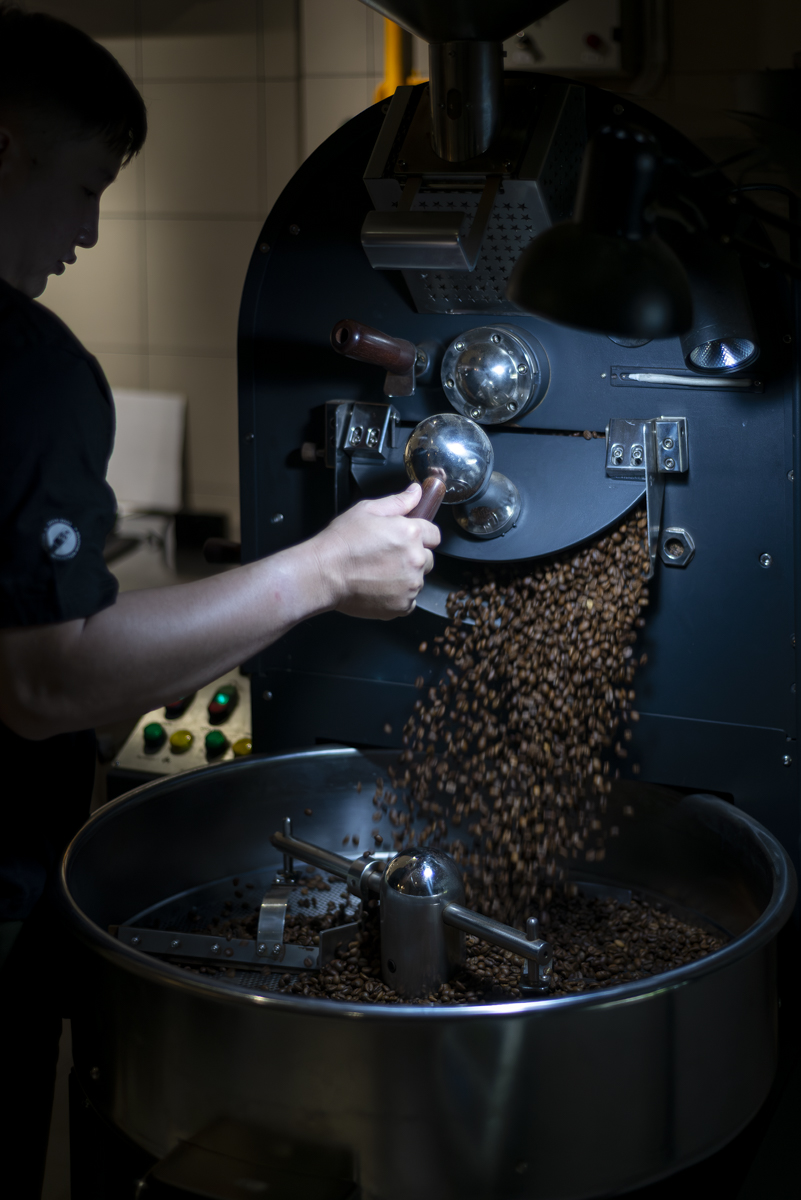
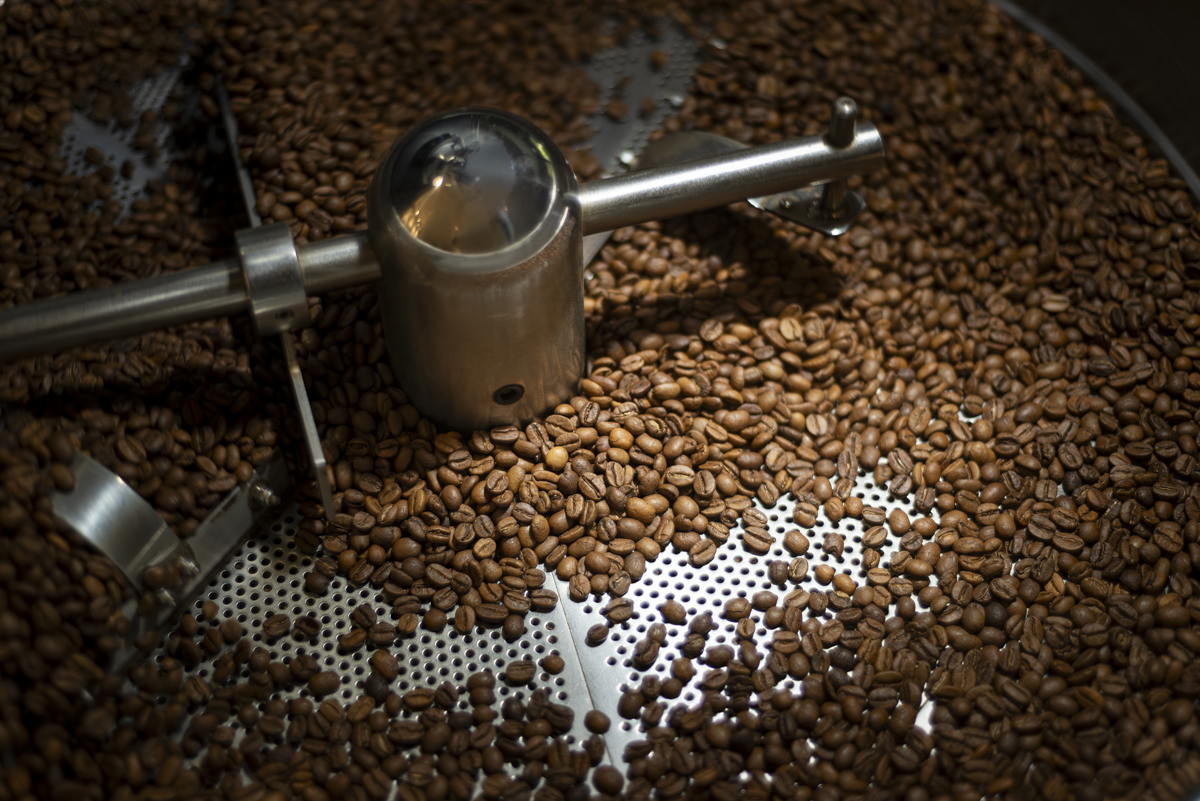
📷 Freshly roasted coffee beans tumble in the drum, where heat and timing transform raw harvests into aroma, flavor, and the final chapter of a long journey from the roots.
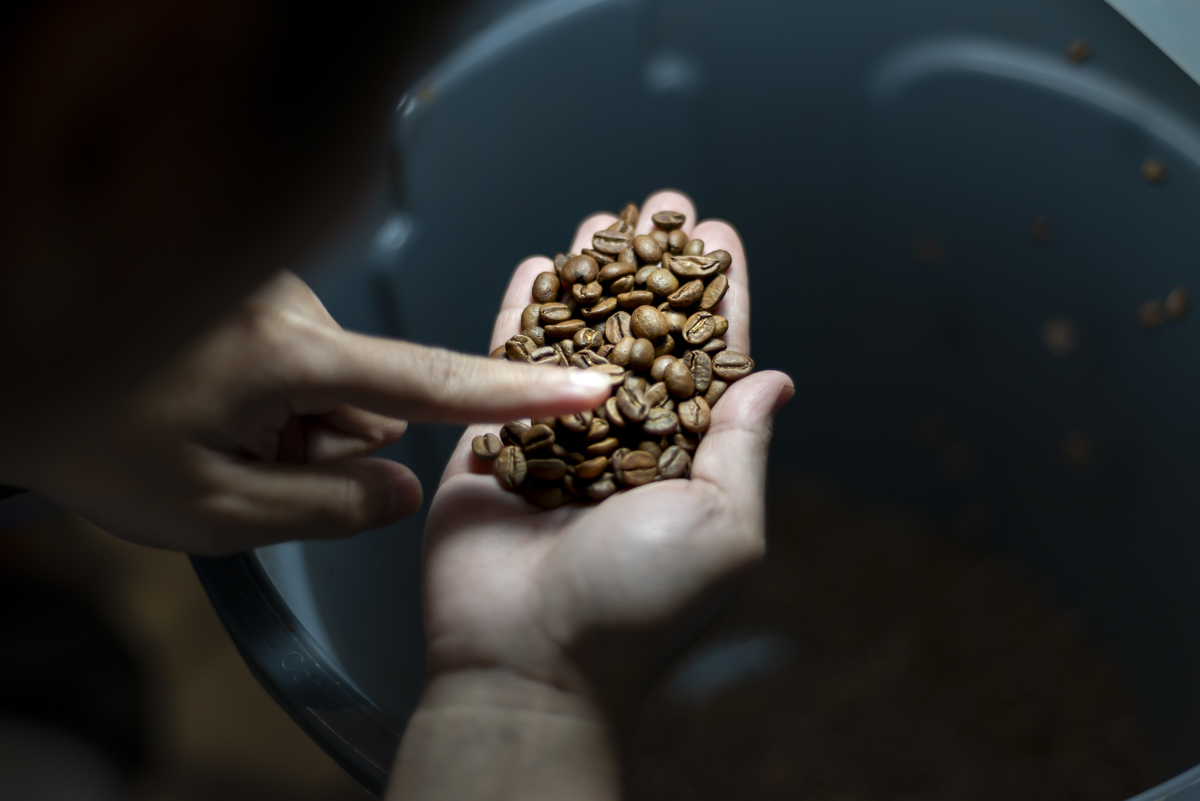
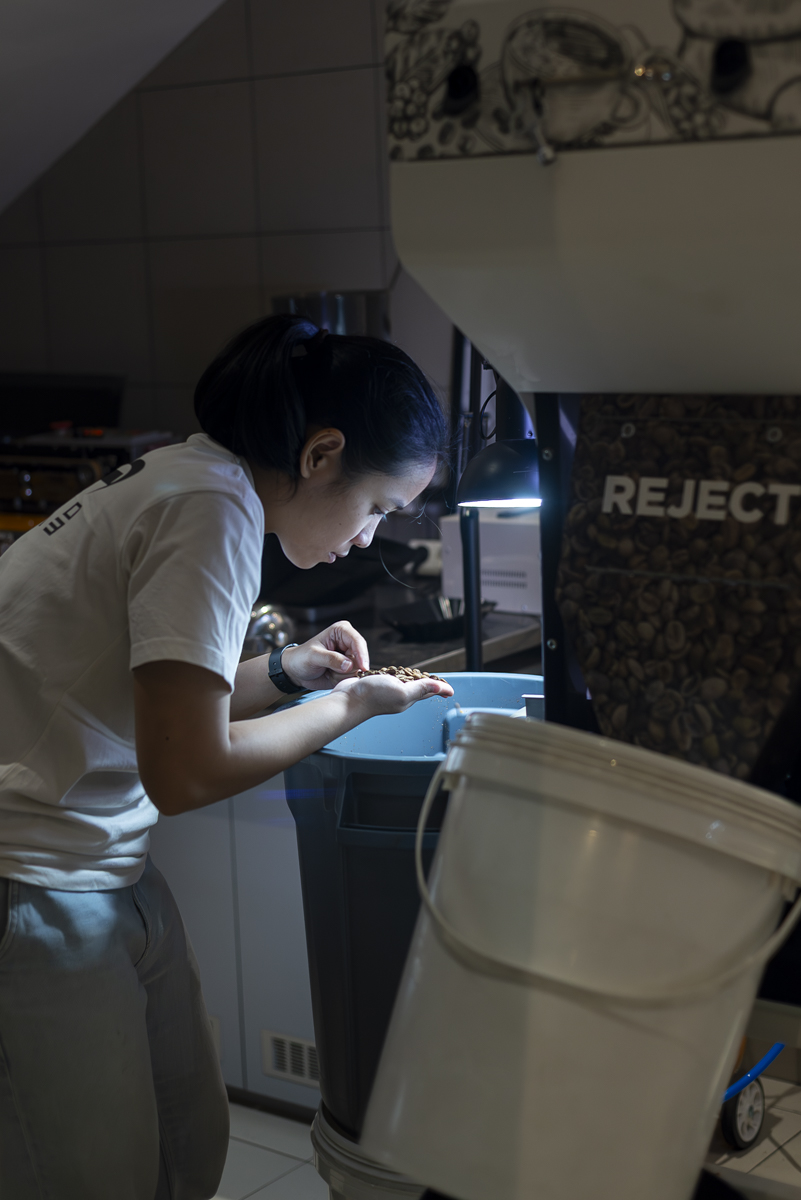
📷 A careful hand inspects freshly roasted coffee beans, where touch and sight guide quality.
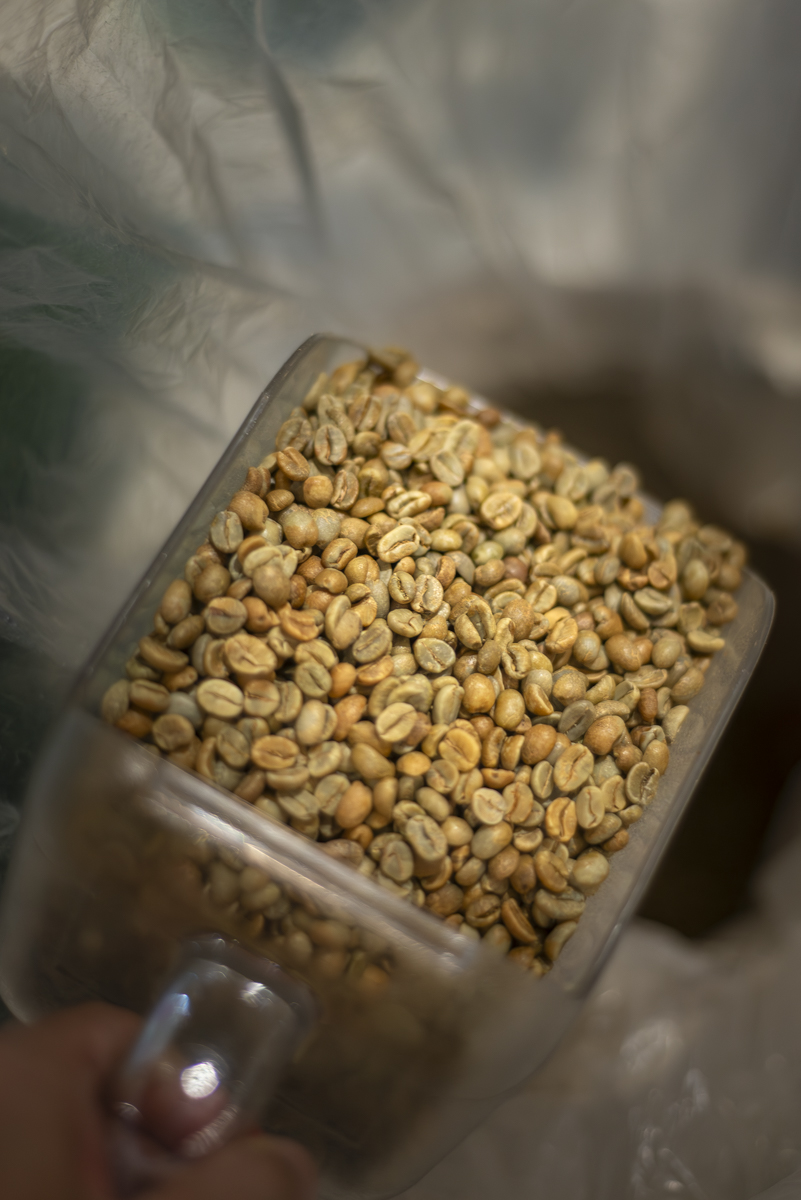
📷 Green coffee beans rest in a scoop, the raw form of the harvest before heat and time transform them.
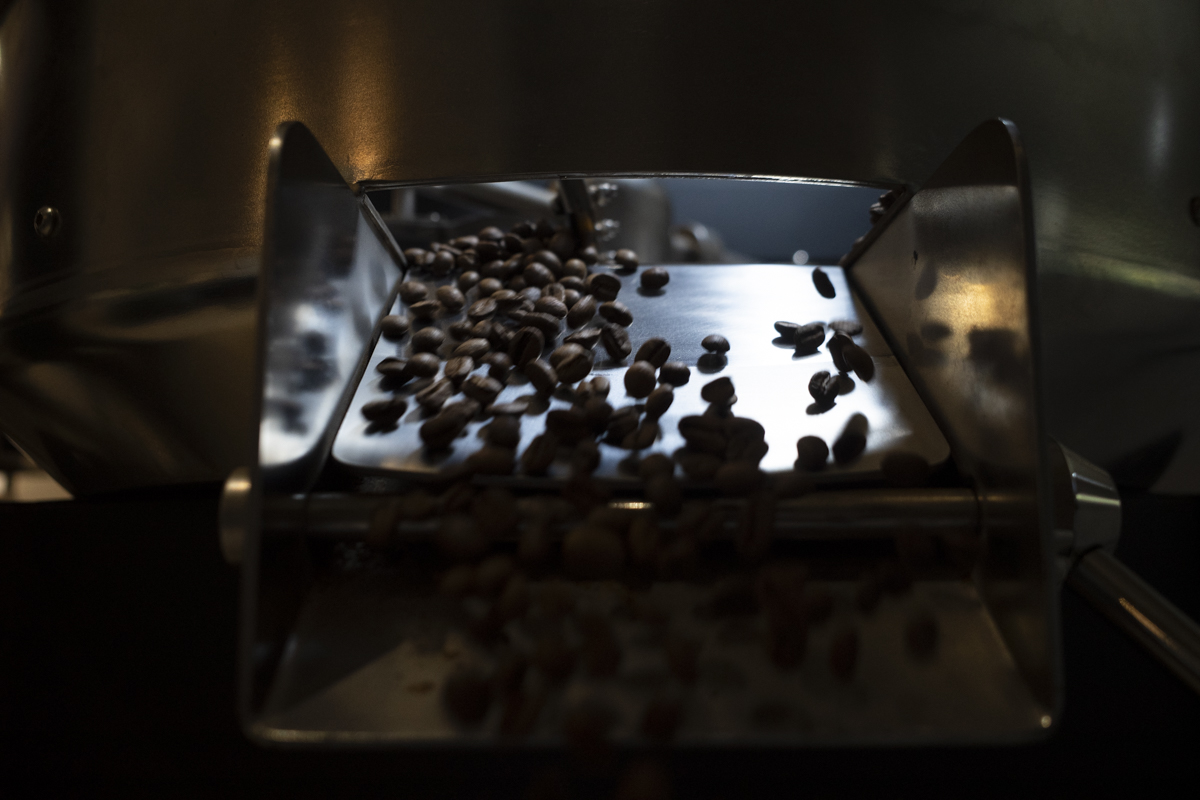
📷 Roasted coffee beans slide from the cooling tray, a quiet pause after heat and motion, where aroma settles and the harvest takes its final form before reaching the cup.
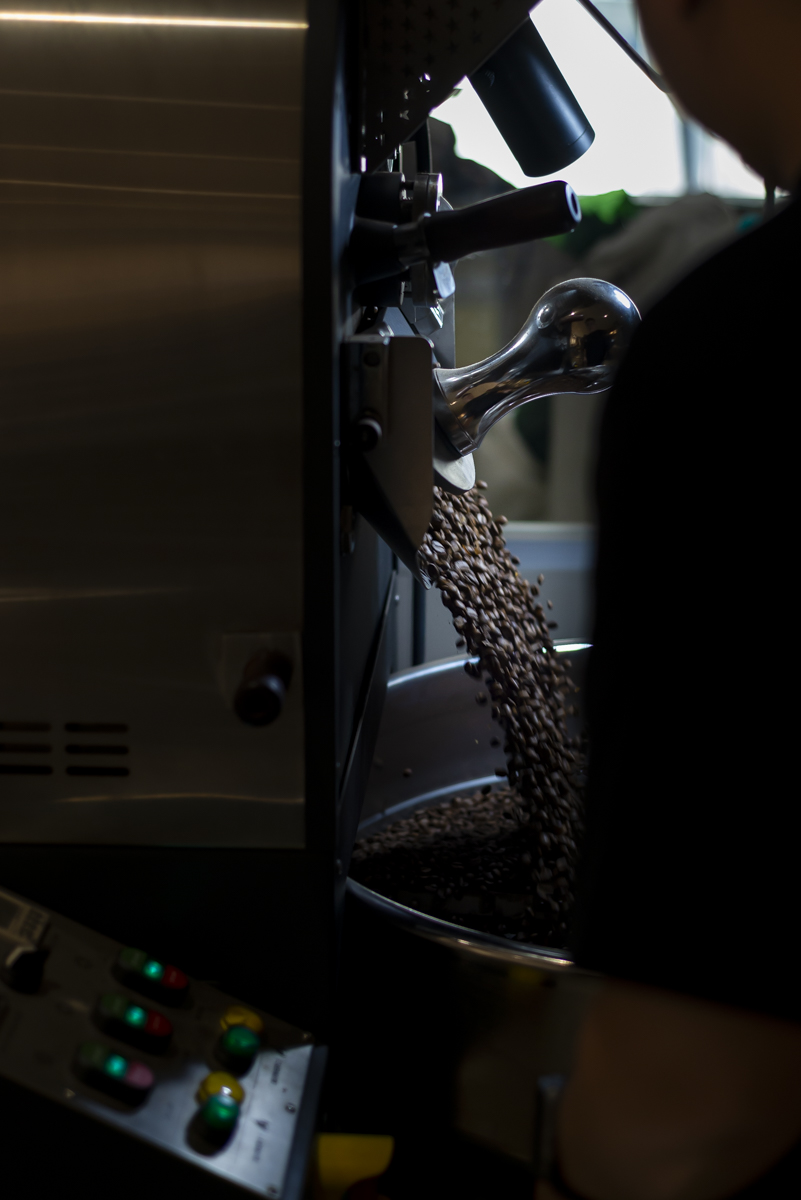
📷 A roaster releases freshly roasted coffee beans into the cooling tray, where skill, timing, and human judgment shape the final character of each batch.
📷 Under focused light, a female staff hand-picks defective beans coming out from a sorting machine, a meticulous step where quality is protected one decision at a time.

Culture — Two Worlds, One Cup
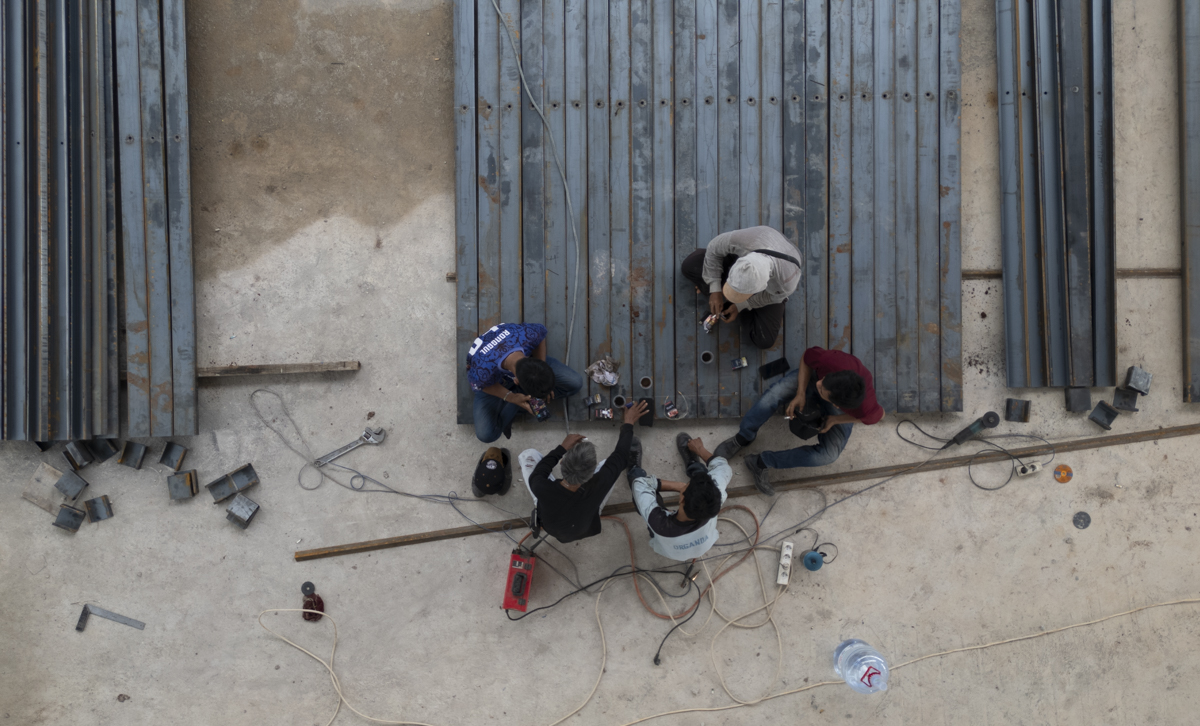
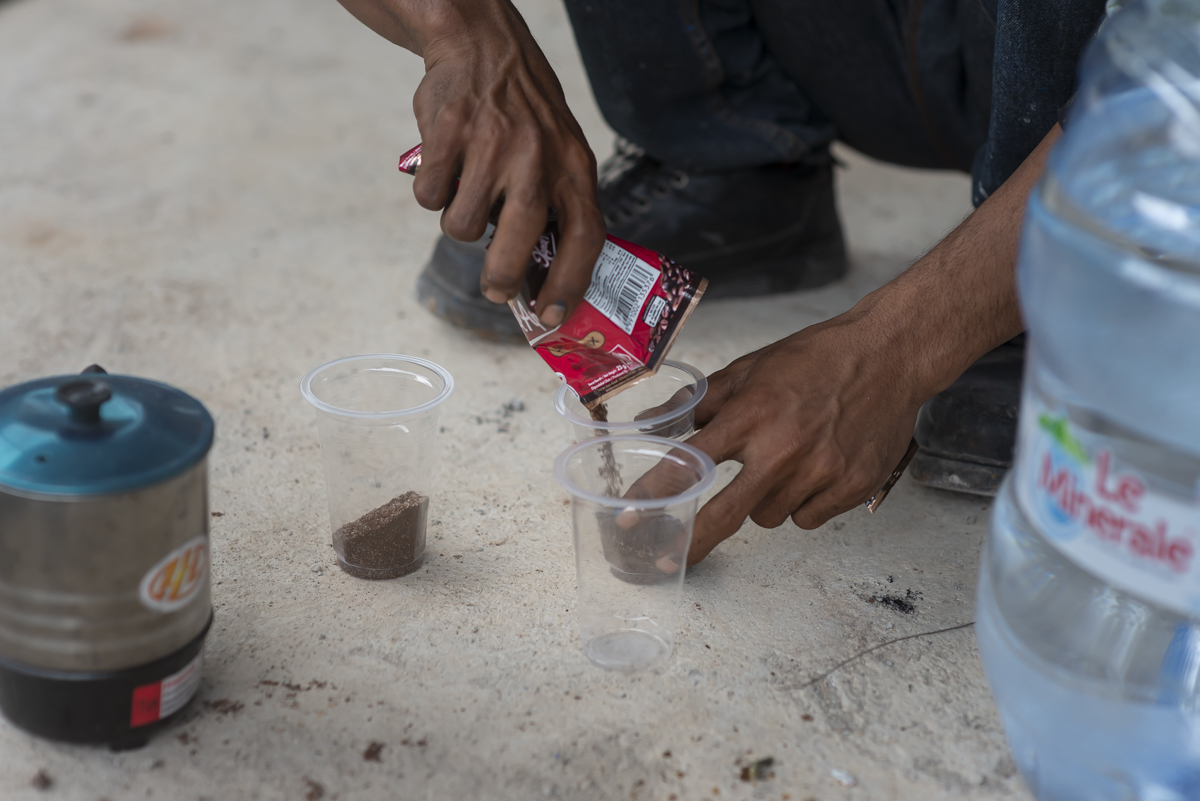
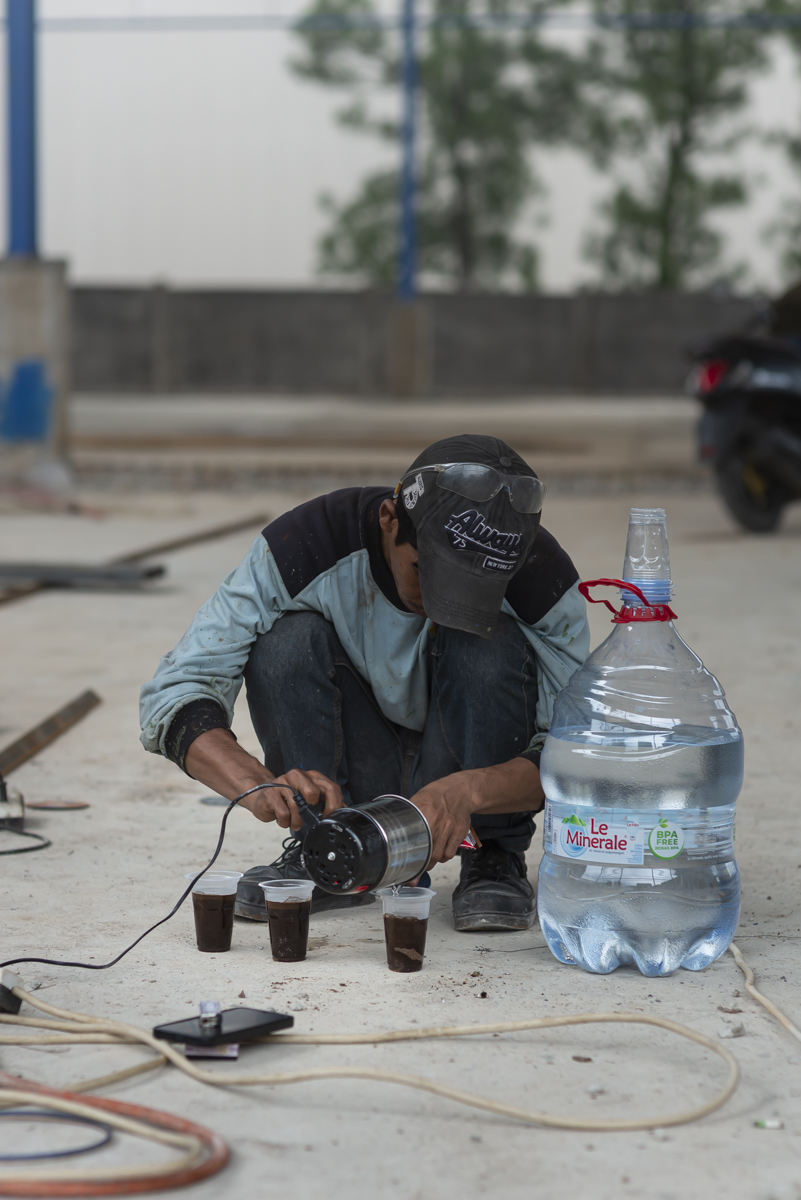
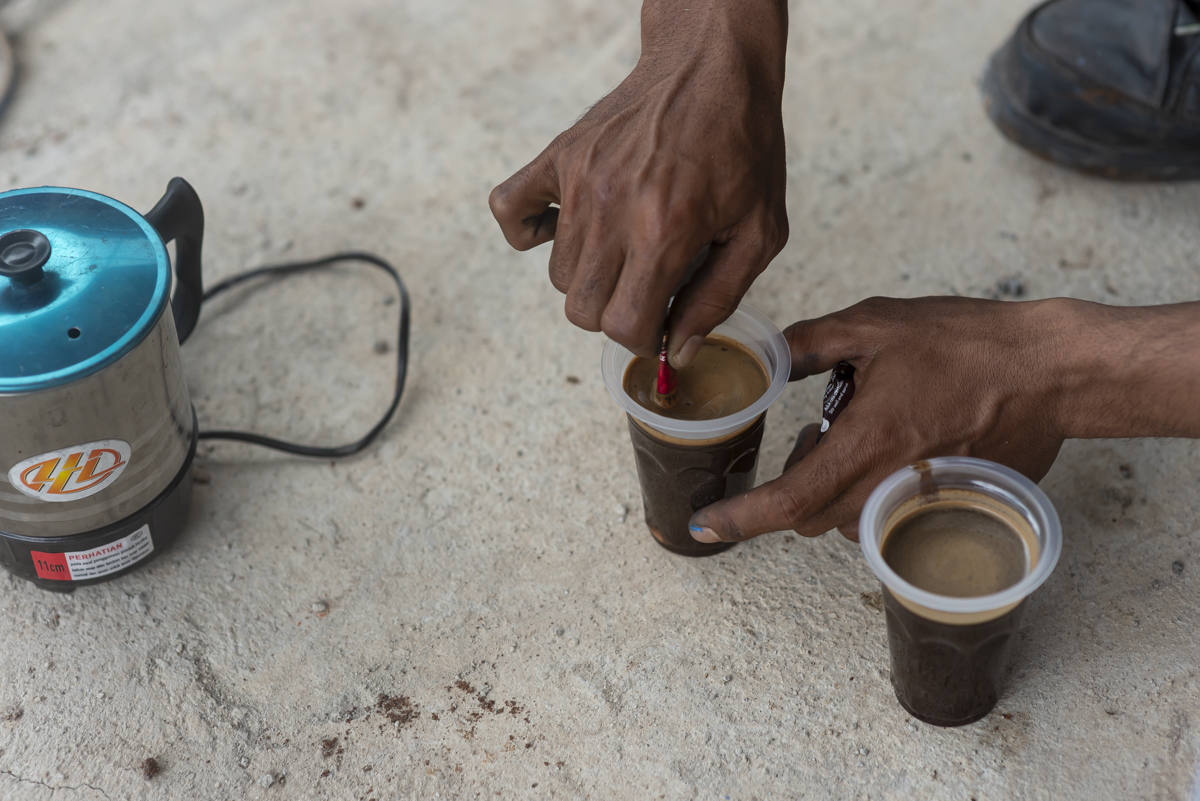
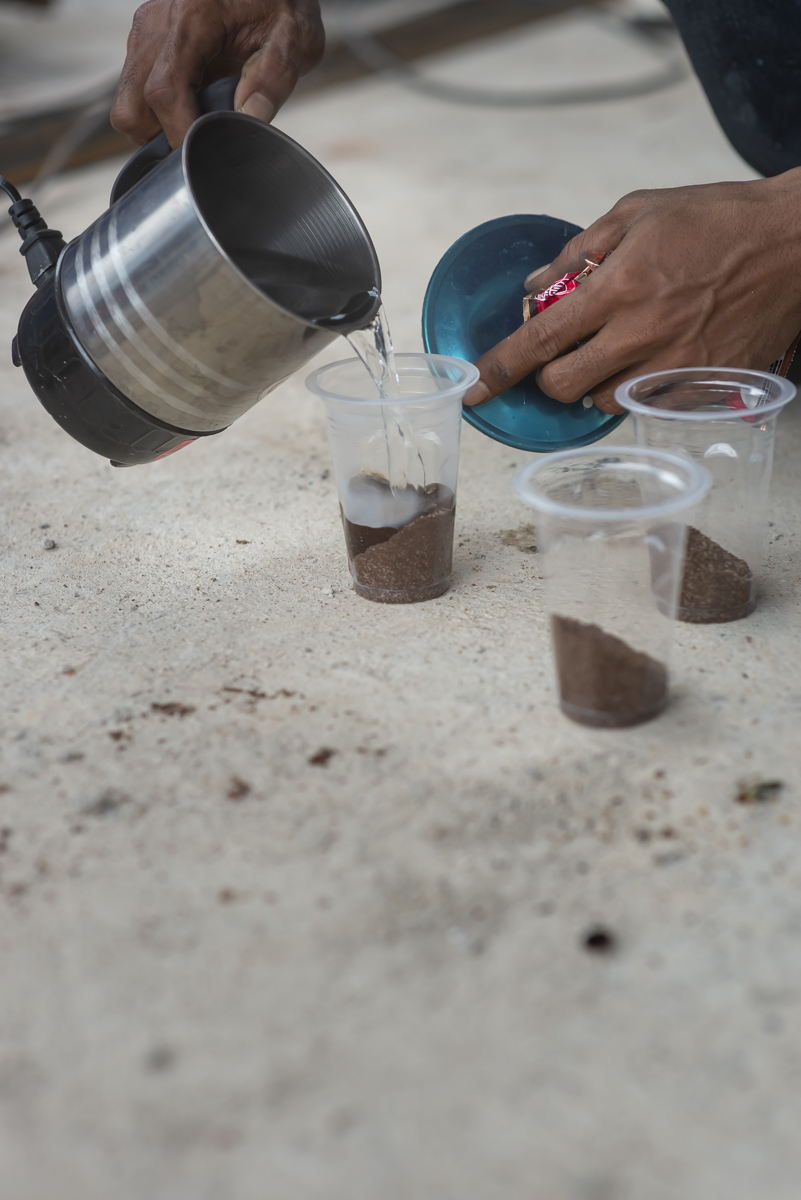
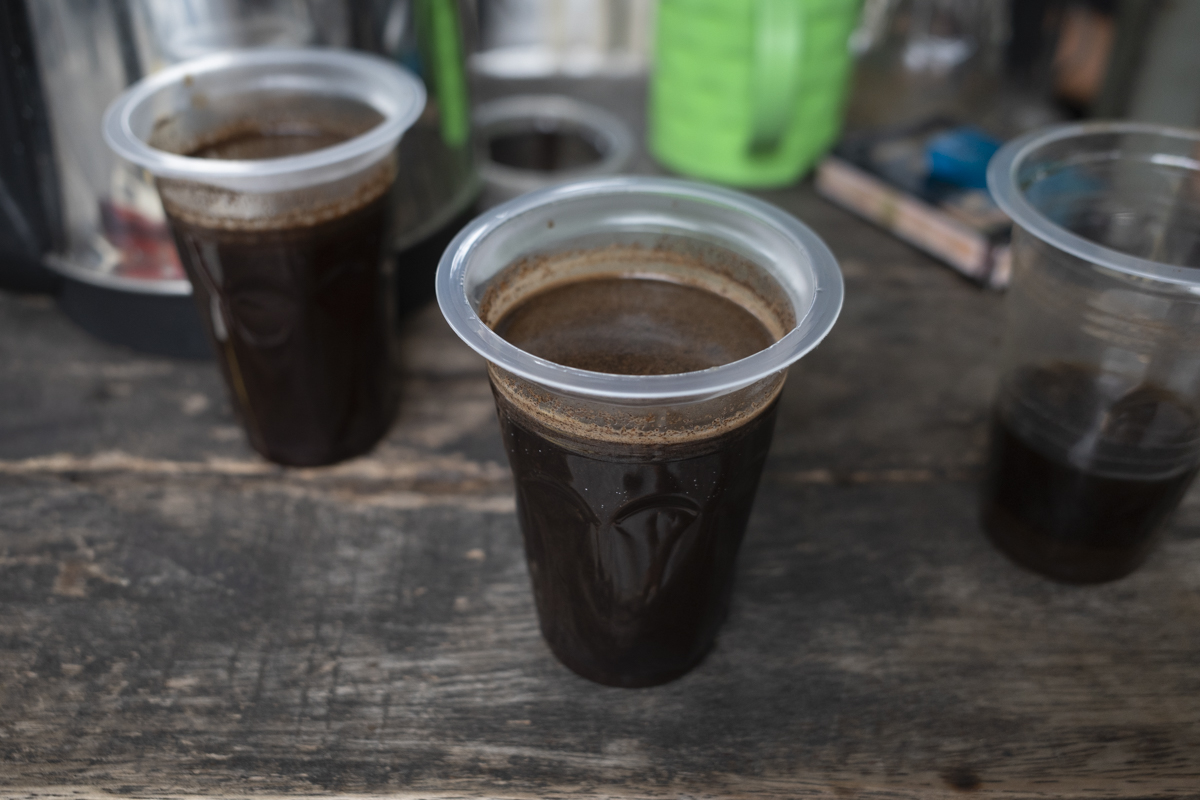
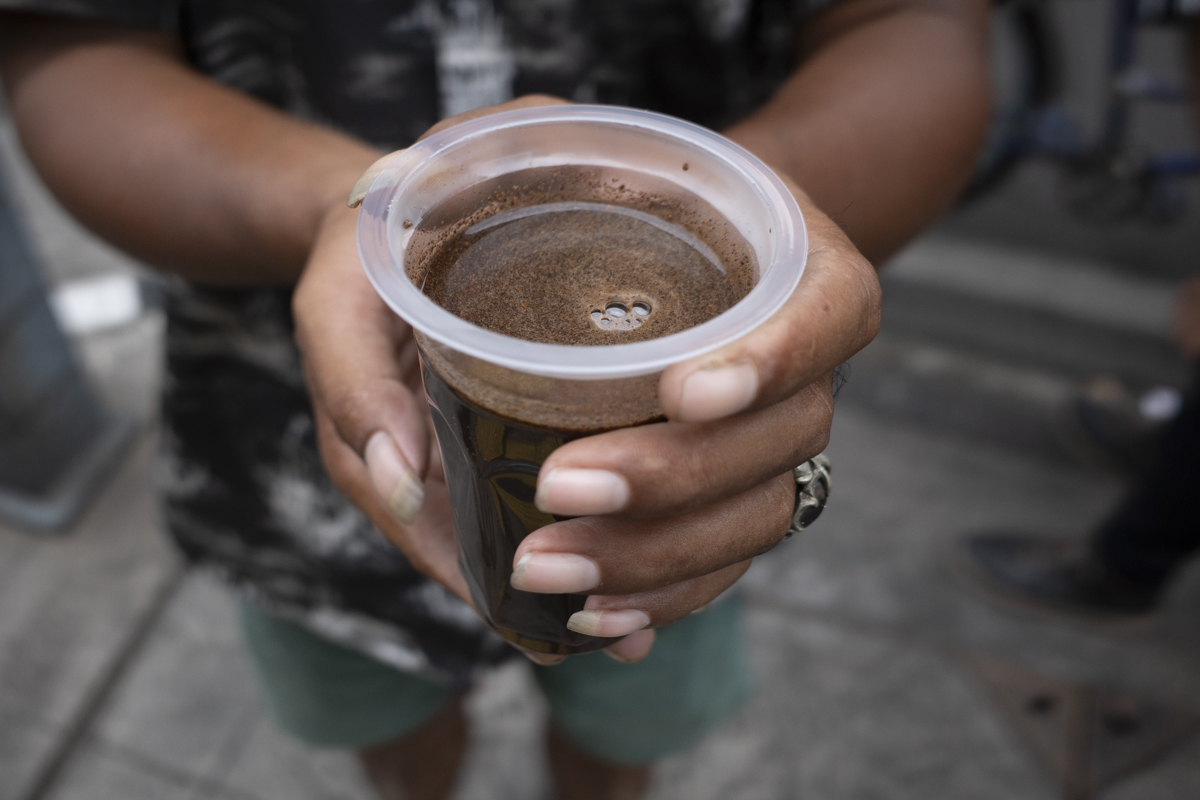
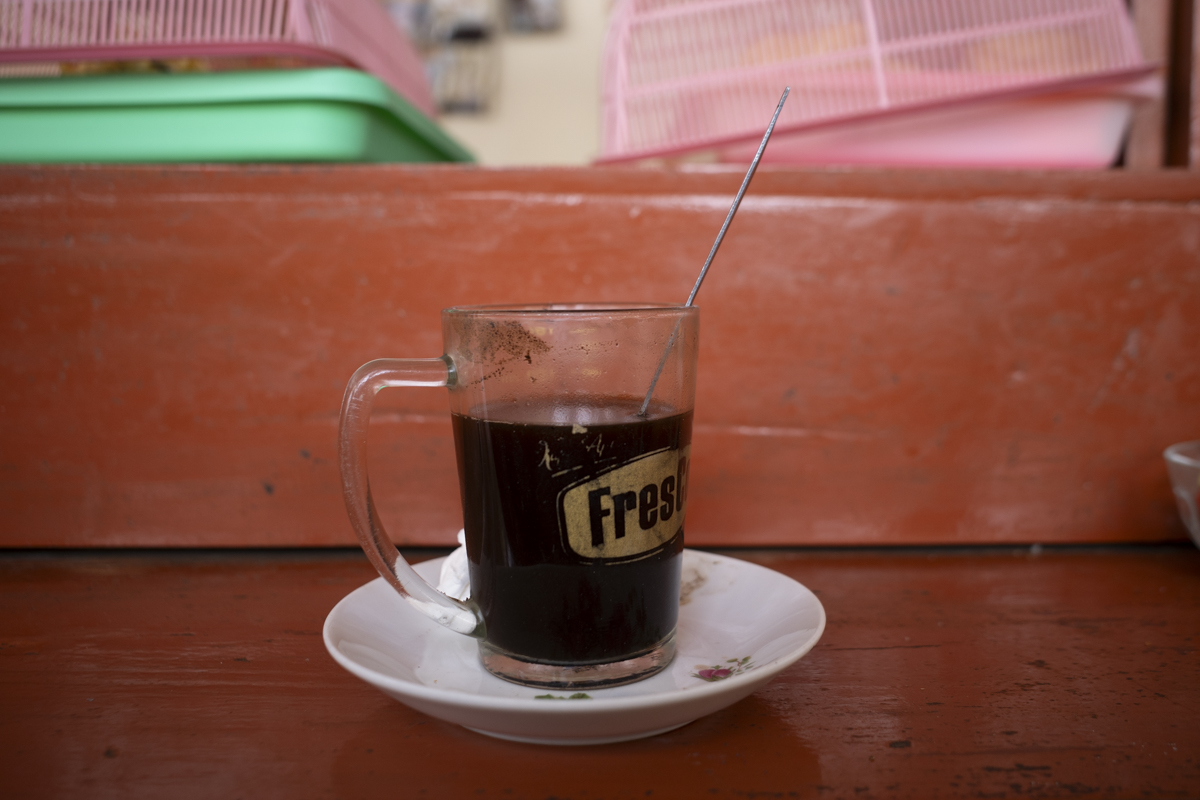
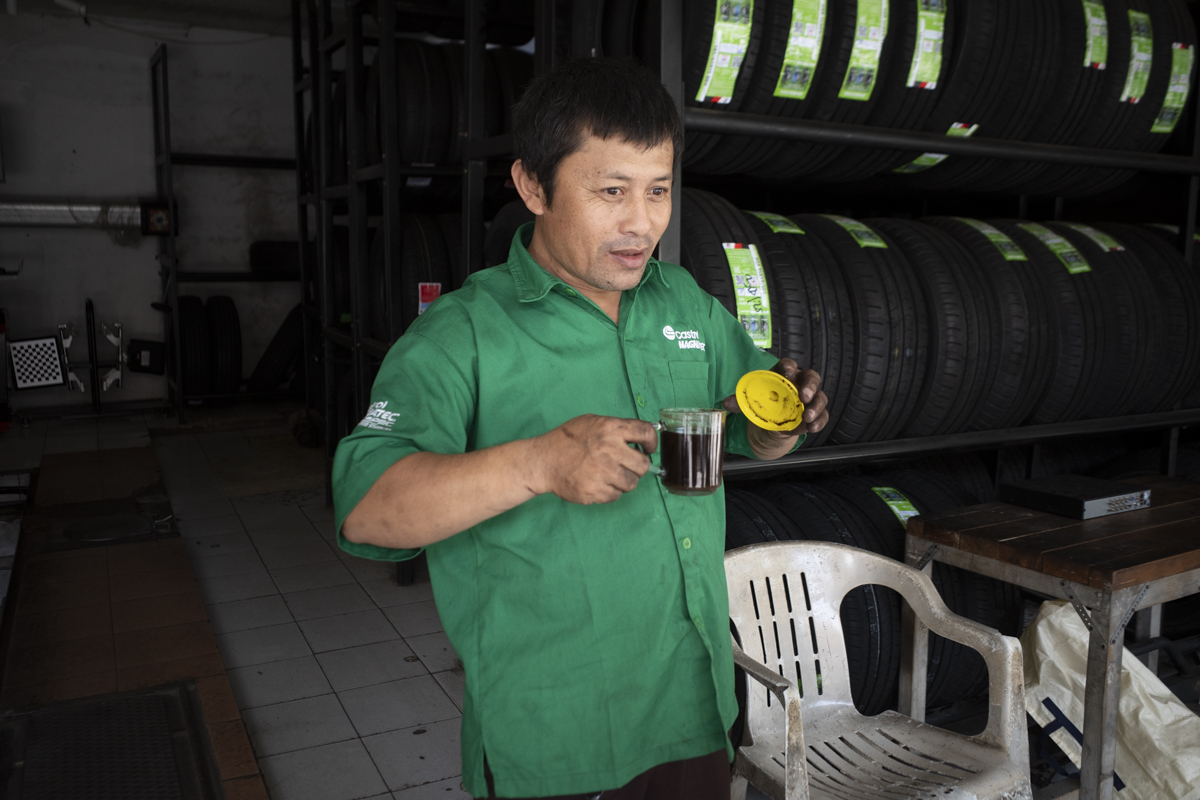
📷 Construction workers take a short break on a Jakarta worksite, sharing instant coffee between tasks.
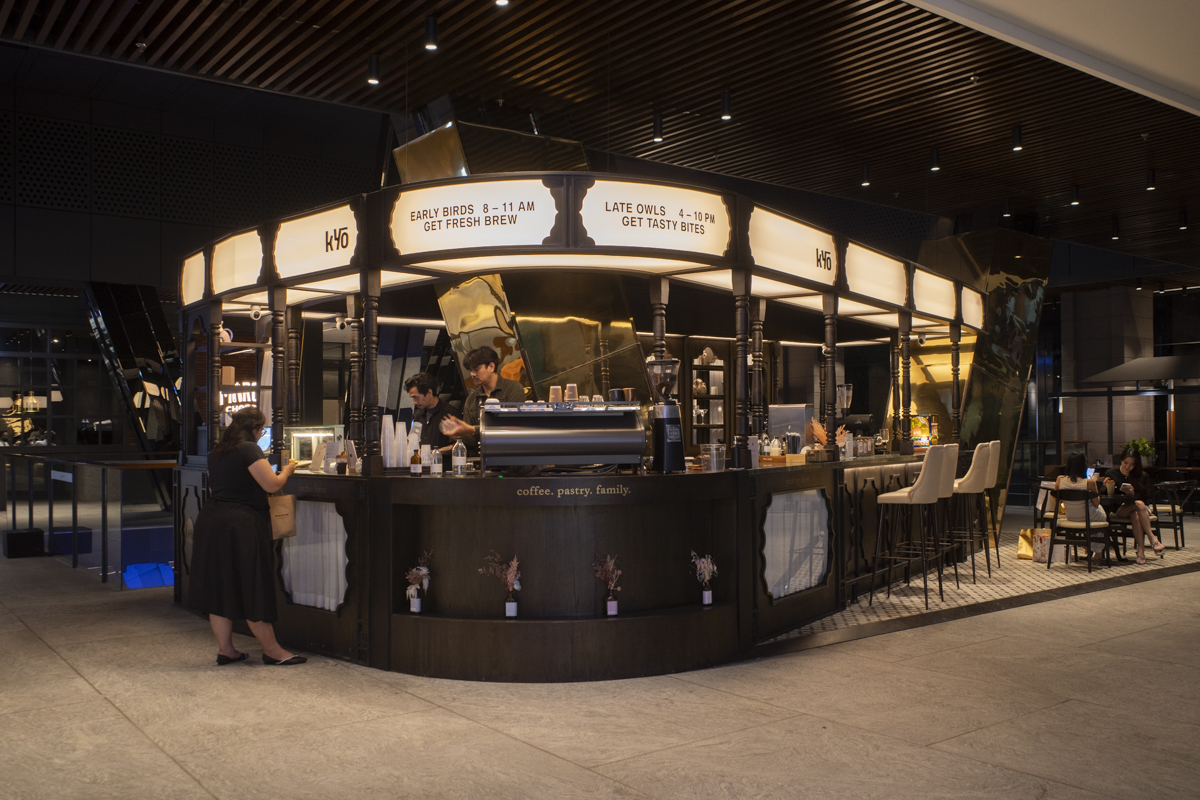
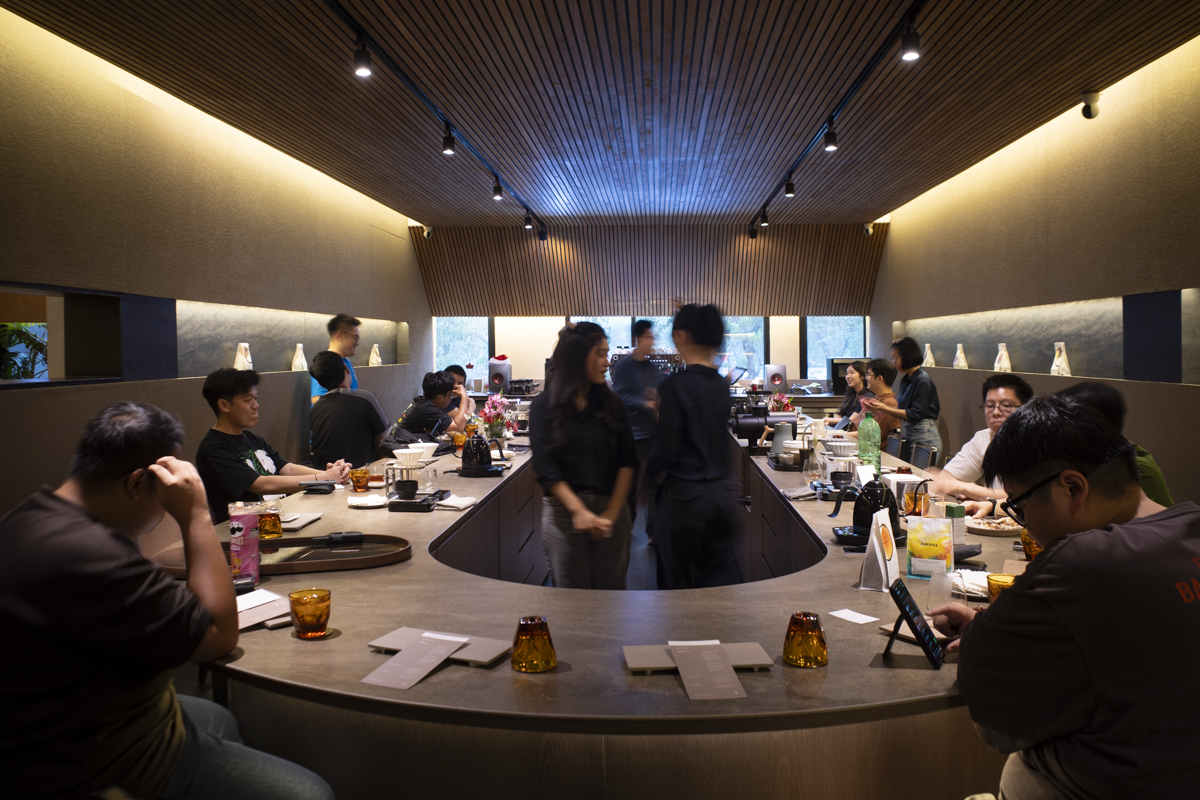
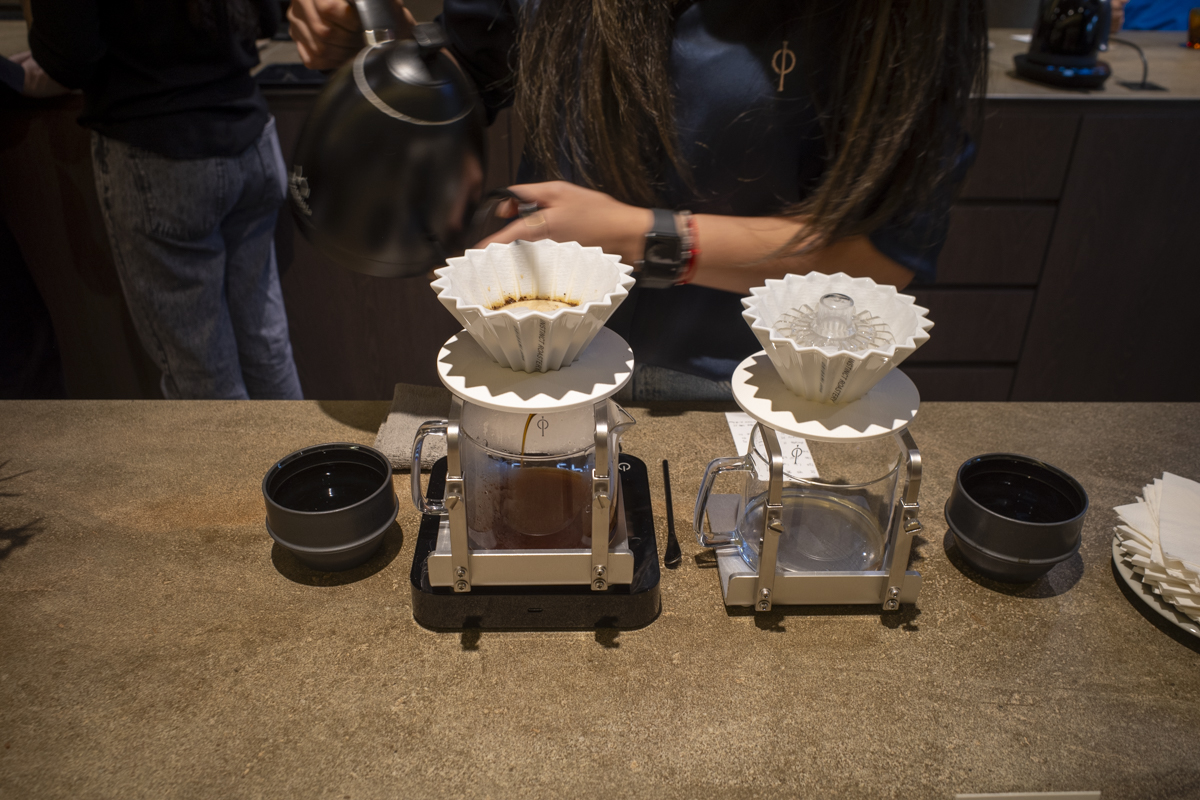
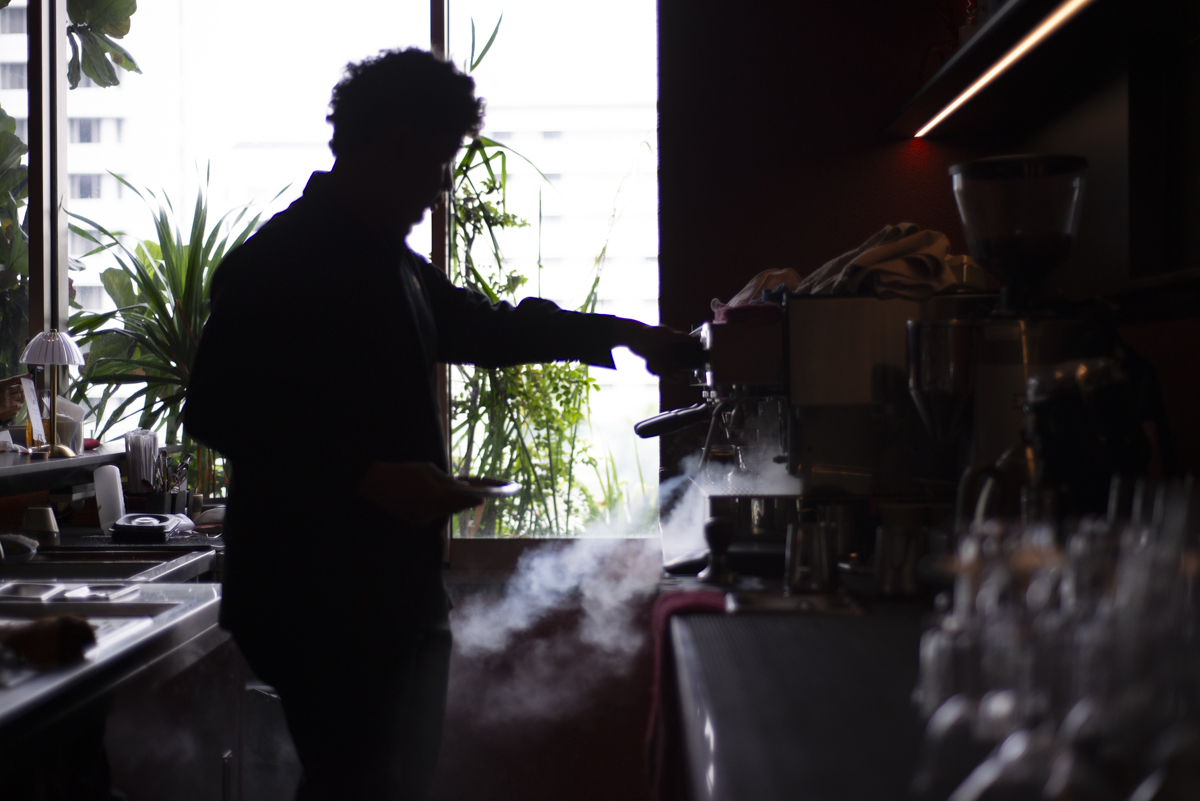
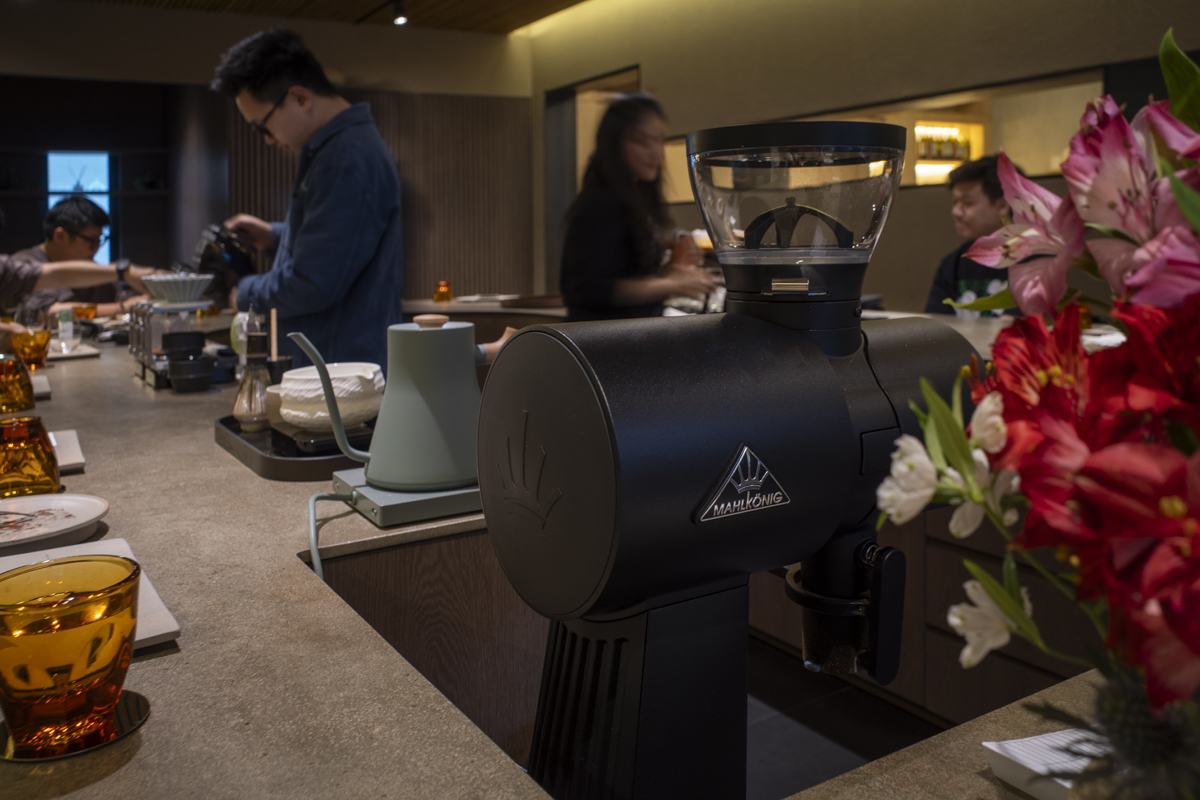
📷 Middle upper class patrons take a short break in a high end coffee house, sharing carefully curated single origin coffee from around the world.

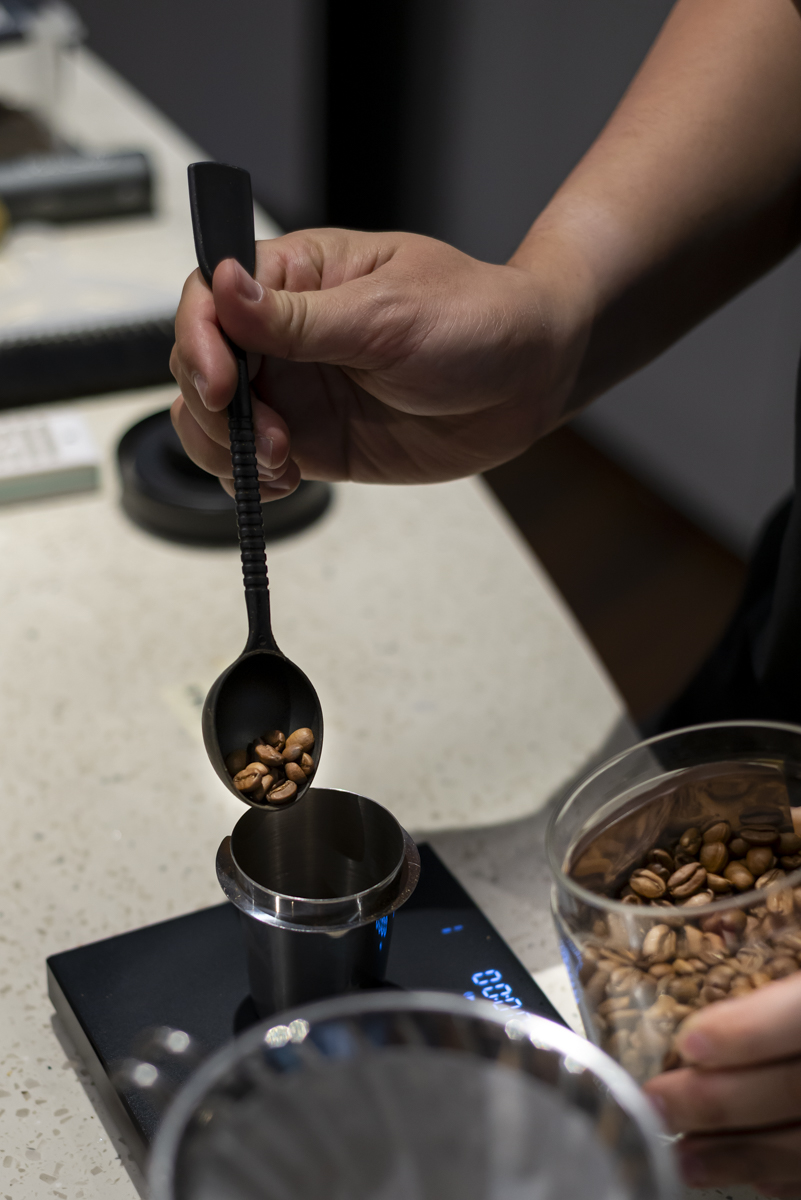
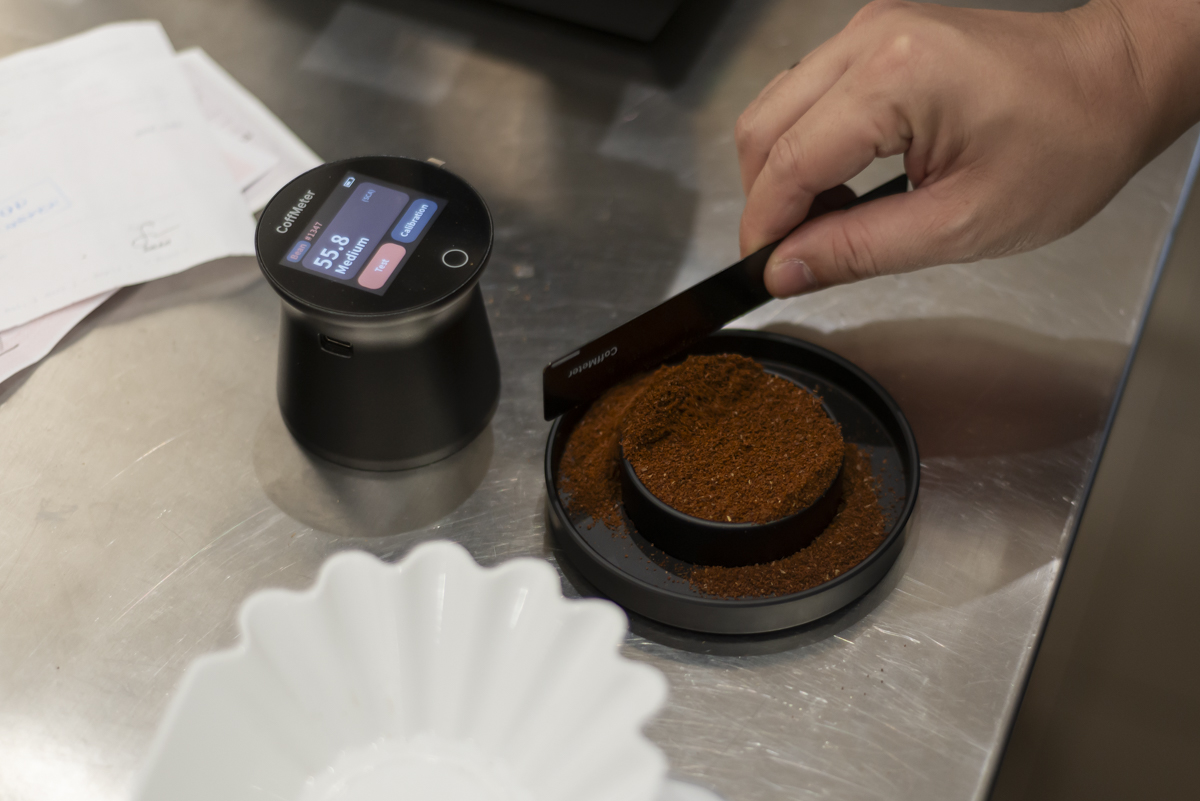
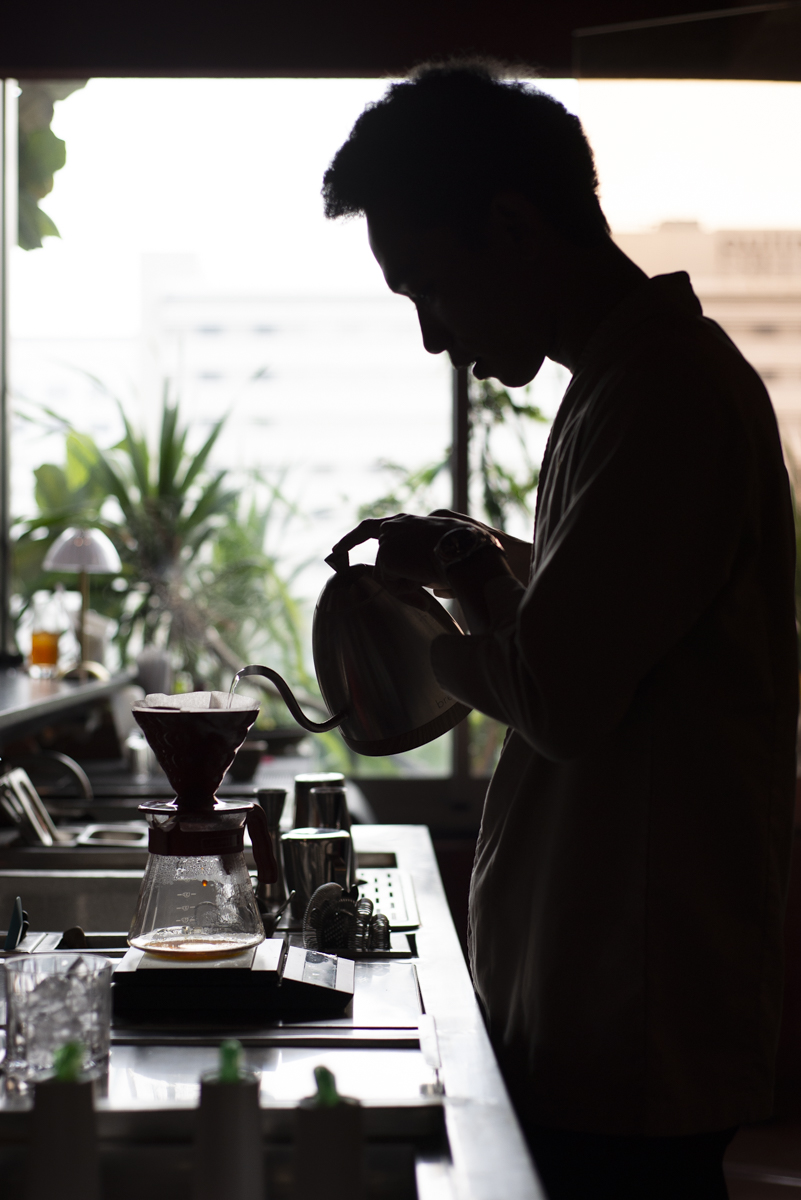
📷 Brewing Methods

Conclusion — Beyond the Last Sip

📷 A Tales of Two Cities

📷 Small Changes for Climate Change
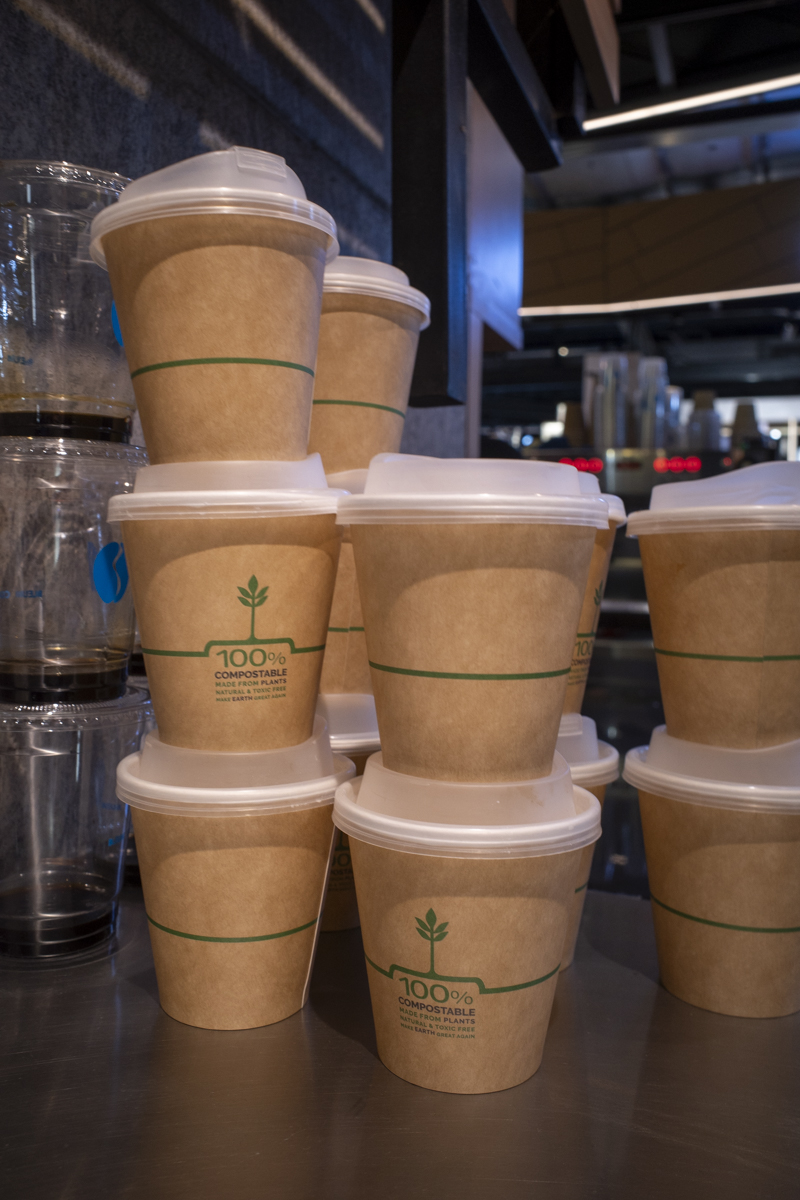
📷 Eco-friendly coffee cups stand ready in a café, a small response to plastic waste and a growing awareness that everyday choices are part of the wider climate challenge.
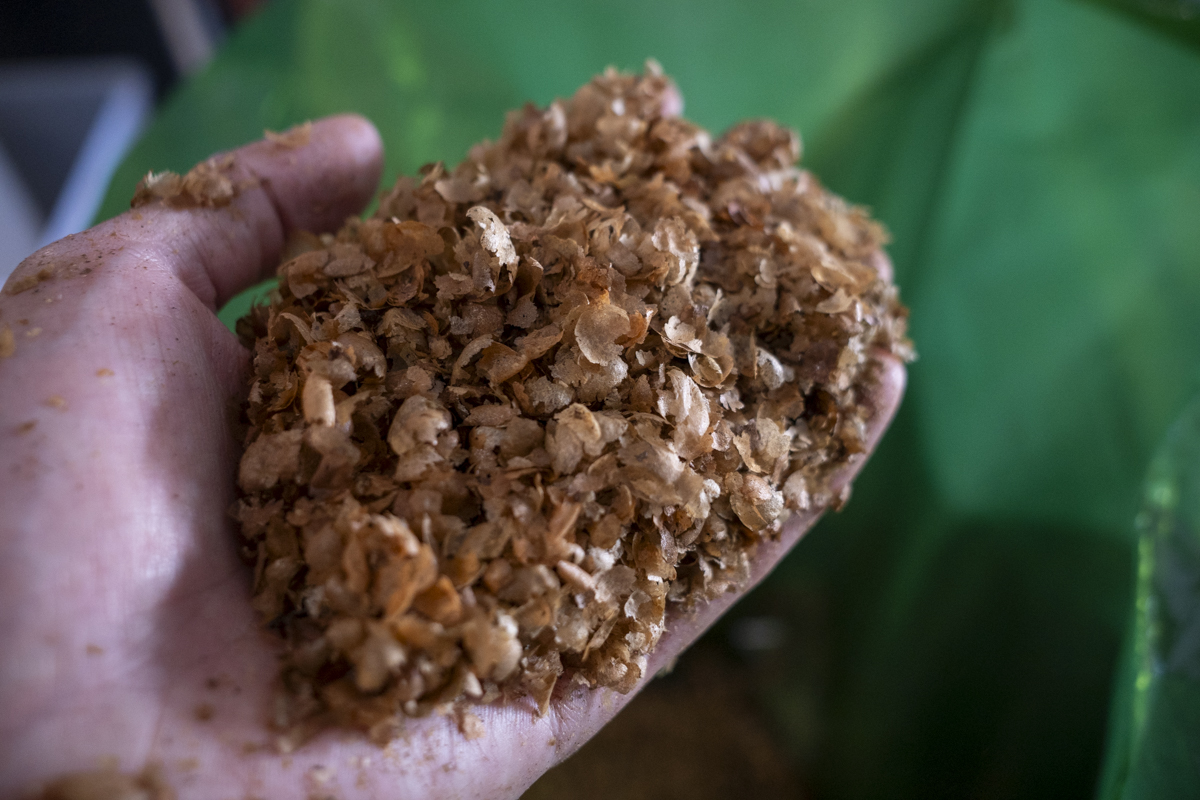
📷 Cascara, the dried outer layer of coffee cherries, is repurposed for tea and other uses, turning what was once waste into value and reducing environmental pressure in a time of climate change.
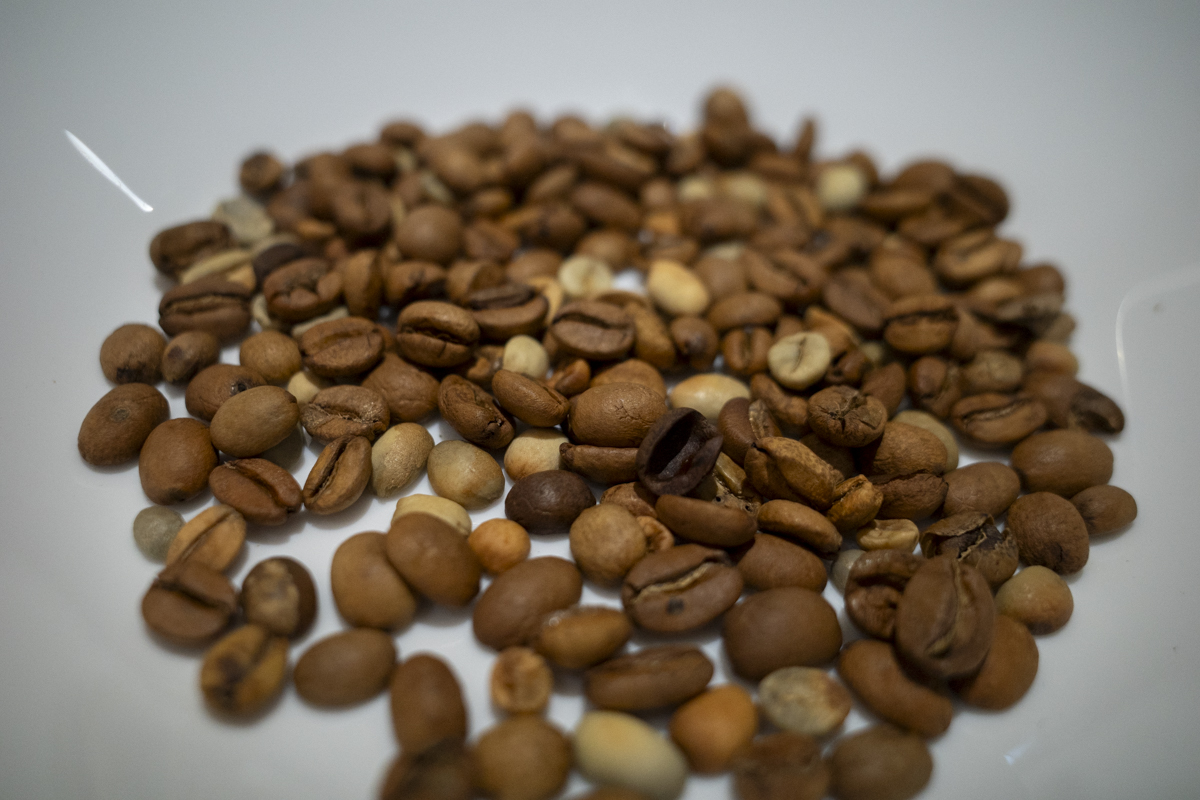
📷 Arabica coffee beans: coffee varieties increasingly under pressure as climate change alters temperatures, rainfall, and suitable growing areas, threatening both quality and long term supply.
📷 From beans to cup, coffee’s journey is increasingly shaped by climate change, a fragile relationship that reminds us our everyday choices matter, and that action can no longer wait.

Credit and Contributor

All photos are under Creative Commons
Attribution-NonCommercial-NoDerivatives 4.0 International (CC-BY-NC-ND 4.0)

Concept and Creator: William Kalengkongan
Photo Credit: William KalengkonganOtniel Christofer for "At the Roots — Origins" 

Responsible: Fransiskus Tarmedi & Marion Regina Mueller

Published by: Heinrich Böll Stiftung Southeast Asia on 14 January 2026

Permanent Link: <https://th.boell.org/en/coffee-nation-indonesia>

This photo-essay is part of web-dossier "Brewing Resilience: Coffee and Climate Change in Southeast Asia"